Defeat Desk-Bound Tension with a Tennis Ball
Unlock Surprisingly Simple Muscle Relief Using Common Household Spheres
Think your fancy ergonomic chair has you covered? Think again. Hours spent hunched over screens or gripping steering wheels weave a subtle tapestry of tension into our shoulders, backs, and necks. While expensive massages or complex equipment promise relief, a revolution in muscle rescue might be rolling around forgotten in your garage, toy box, or sports bag. The humble ball – tennis ball, lacrosse ball, even a firm playground orb – holds a unique, accessible power to dissolve those knots and restore freedom of movement, often outperforming its pricier counterparts.
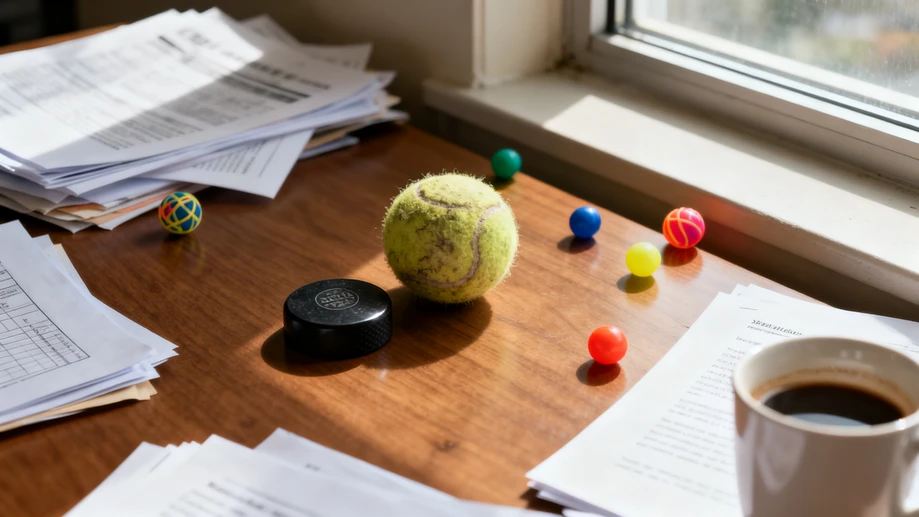
The science behind this simple tool is fascinating. When muscles are chronically stressed or overworked, they tighten and form knots, known as myofascial trigger points. These knots restrict blood flow, trap metabolic waste products, and send pain signals – creating a vicious cycle. Applying sustained pressure directly to these points, a technique called self-myofascial release, acts like a reset button. The pressure inhibits the pain signals (gating the nerves), stimulates blood flow to flush out toxins, and gently stretches the bound fascia – the connective tissue web surrounding muscles. Unlike fleeting stretches, this sustained pressure creates lasting change. A tennis ball’s firm, localized surface is perfect for targeting these stubborn spots. A lacrosse ball offers even deeper penetration, while a softer playground ball provides gentler relief for sensitive areas.
Transforming your living space into an instant tension-taming zone is delightfully straightforward. Forget complex setups. For upper back knots, place a ball between your spine and a sturdy wall. Lean into it, finding that sweet spot where discomfort transforms into "good hurt." Breathe deeply and hold for 30-60 seconds. Feeling tech neck? Lie on your back, place a ball gently under the base of your skull, and let gravity do the work. Anguish in your glutes? Sit on a tennis ball on a firm chair, targeting the muscle just beside your sitting bone. For tight calves or hamstrings, roll your foot or leg over the ball while seated. The key is control: you dictate the pressure and duration, listening to your body and avoiding any sharp pain. Start gently, perhaps 5-10 minutes daily, gradually increasing as tissues adapt.
Consistency is your secret weapon. The true magic of the ball lies in its accessibility, making frequent mini-sessions possible – even desirable. Keep one by your desk for a quick wall roll between emails. Stash another near the couch for targeting glutes while watching TV. Pop one in your carry-on for instant jet lag relief. These aren't workouts; they're mindful micro-moments of release woven into your daily rhythm. This regular, low-intensity attention signals your body that it's safe to release chronic holding patterns, preventing tension from accumulating into debilitating pain. Over time, this practice becomes less about fixing and more about maintaining fluidity and ease.
So, before you invest in another gadget, rediscover the potent sphere already within your reach. The tennis ball hiding in the dog’s toy basket, the lacrosse ball from a long-forgotten season, the child's forgotten bouncy ball – these unassuming orbs are ready-made tools for reclaiming comfort and movement. Unleash their simple power: roll away rigidity, press out persistent pressure, and unlock a surprising level of freedom from the tyranny of tension. Your resilient, mobile body will thank you, one satisfying knot release at a time.