5 Ball Tricks That Will Trick You Into Loving Exercise
Sneaky ways to make fitness stick without even trying
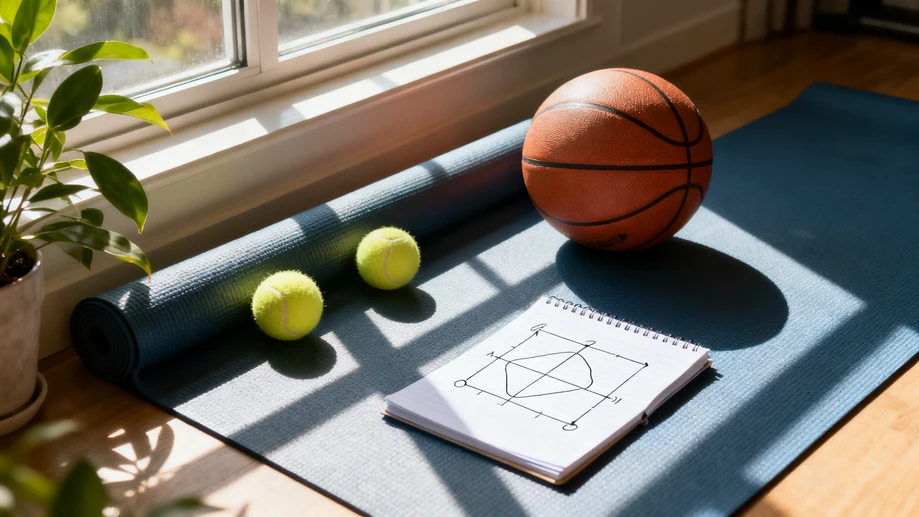
Ever notice how a basketball left in the corner practically begs to be dribbled? Or how a stray tennis ball rolling under the sofa turns into an impromptu retrieval challenge? There's science behind this magnetic pull. Our brains are wired to respond to playful, unpredictable objects like balls, triggering dopamine releases that transform mundane movement into spontaneous joy. This isn't just child's play – it’s a neurological cheat code to hack your exercise habits. By strategically placing balls around your living space, you create "frictionless fitness" opportunities, turning potential couch time into micro-workouts disguised as entertainment. That forgotten soccer ball in the hallway? It’s not clutter; it’s a commitment-free personal trainer waiting to ambush your inertia.
Consider the mighty tennis ball – a $2 miracle worker for habitual stiffness. Roll it under your bare foot while answering emails to unlock plantar fascia relief. Trap it between your back and the wall, gently shifting your weight to massage knotted shoulder muscles. This isn't fancy biohacking; it's accessible biomechanics. The constant, adjustable pressure provides myofascial release, breaking down tension better than passive stretching. Place one near your TV remote; reaching for it becomes a catalyst for hip flexor stretches before binge-watching. These tiny interventions exploit "habit stacking" – attaching new behaviors (stretching) to existing routines (grabbing the remote) until they become automatic. The ball becomes your Pavlovian bell for mobility.
Enter the "90-Second Ball Challenge" – the ultimate gateway drug to consistent movement. Scatter three different balls (a lightweight beach ball, a bouncy rubber ball, a textured massage ball) in high-traffic zones. Every time you encounter one, you must engage with it for 90 seconds. Dribble the rubber ball down the hallway. Toss the beach ball against the ceiling while coffee brews. Roll the massage ball along your calves. Why 90 seconds? It's long enough to trigger muscular engagement and endorphin release but short enough to bypass procrastination alarms. Within days, neural pathways rewire; that vacant moment while waiting for the microwave becomes an automatic trigger to grab a ball. You’re not scheduling exercise; you’re embedding it into life’s cracks.
Balls excel at "accidental cardio." Try the "single-leg laundry basket challenge": balance a basketball on your head while gathering scattered socks, maintaining posture. Suddenly, a chore becomes core engagement practice. Or initiate "wall-ball meetings": during phone calls, stand 6 feet from a wall and repeatedly throw a soft medicine ball against it, catching it in a slight squat. This covertly builds leg endurance and upper body coordination while you discuss quarterly reports. The rhythmic impact creates proprioceptive feedback, enhancing spatial awareness far better than static squats. These activities leverage "incidental exercise" – accumulating movement through everyday tasks, making fitness feel like a side effect rather than a sacrifice.
The most potent trick? Ball-based progressive overload for habit formation. Start Week 1: simply keep a lightweight ball visible on your desk, tapping it with your foot intermittently. Week 2: add five minutes of seated figure-eight rolls under each foot during breakfast. Week 3: introduce one daily "alley-oop" – tossing a ball into a basket from increasing distances. By Week 4, your brain associates specific locations/times with ball interaction, cementing the ritual. This gradual exposure utilizes the "kaizen principle," where microscopic changes build unstoppable momentum. Like water smoothing stone through persistent flow, these tiny, playful interactions reshape your relationship with movement until reaching for a ball becomes as instinctive as checking your phone.