Are Your Home Stretching Gadgets Secretly Slowing You Down?
Discover How Your Favorite Fitness Tools Might Be Holding You Back Instead of Helping
In the cozy corners of our homes, yoga mats and resistance bands have become silent companions in our quest for flexibility and strength. But here's a twist: are these trusty tools truly your allies, or could they be undermining your progress without you even noticing? With home workouts booming—sales of fitness gear surged by over 40% in the last year alone—it's easy to assume that unrolling a mat or snapping a band guarantees results. Yet, many of us end up with nagging aches or plateaued gains, wondering if the equipment is part of the problem. Dive into the science behind everyday stretching aids, and you'll uncover a world where improper use turns helpers into hindrances. It's not about ditching your gear; it's about smartening up your routine to avoid common pitfalls that turn a simple stretch into a sneaky setback.
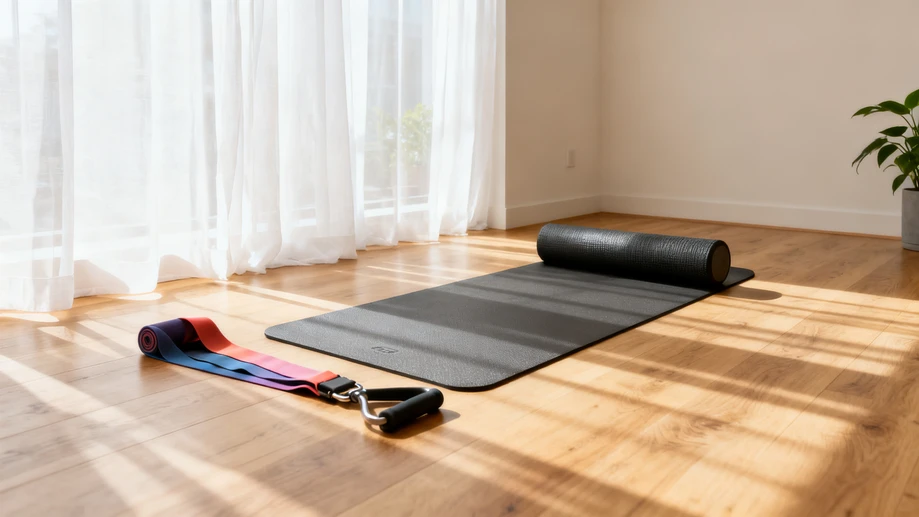
Take the humble yoga mat, for instance—a staple in any home gym. Designed to cushion joints and prevent slips, it seems foolproof. But choose one too thin, and you're inviting knee pain; too thick, and balance becomes a wobbly challenge. Resistance bands, those colorful loops promising toned muscles, can backfire if stretched beyond their limits, leading to micro-tears instead of gains. The key lies in understanding materials: eco-friendly rubber mats offer grip but may harbor bacteria if not cleaned, while latex-free bands reduce allergies but wear out faster. Fun fact: the first modern yoga mat emerged in the 1980s when a teacher glued carpet underlay to a towel, revolutionizing home workouts. Today, innovations like non-slip textures make stretching safer, yet many users skip the basics, like aligning their spine on the mat or checking band tension. It's a playful paradox: these tools are meant to enhance movement, but misuse turns them into silent saboteurs of your sweat sessions.
Stretching isn't just about touching your toes—it's a science where gear plays detective in preventing injuries. Foam rollers, those cylindrical wonders, work by applying pressure to release muscle knots, but roll too aggressively, and you risk bruising or inflammation. Studies show that proper technique boosts flexibility by up to 30%, while errors can lead to strains. Start with light pressure on calves or back, holding for 20 seconds, to mimic professional physio methods without the clinic visit. Resistance bands shine in dynamic stretches, like leg swings, where controlled tension builds endurance. But here's the kicker: many overlook gear maintenance. A dirty mat becomes a germ hub, and frayed bands snap mid-stretch—yikes! Keep it simple: wipe down tools after each use and store them dry to extend their life. This isn't rocket science; it's about turning everyday items into reliable partners for your body's natural rhythms.
Building a habit around stretching doesn't require marathon sessions—just five minutes daily with the right tools can rewire your routine. Begin with a mat for seated twists to ease back tension, then add bands for shoulder rotations to combat desk slouch. The trick is consistency: set your gear by the bed as a visual cue, making it as routine as brushing your teeth. Over weeks, this micro-habit snowballs into lasting change, with gear acting as gentle nudges rather than chores. Plus, it's cost-effective; a basic kit under $50 outlasts gym memberships. Remember, the goal isn't perfection but progress—your tools are there to support, not stress you out.
In the end, your home stretching arsenal holds immense power when wielded wisely. Embrace the journey with curiosity, not criticism, and watch as those small investments pay off in big ways. After all, fitness isn't a sprint; it's a stretch toward better living.