Is Fishing Secretly the Best Outdoor Fitness Hack?
Discover how casting lines can tone muscles and build habits while you relax by the water
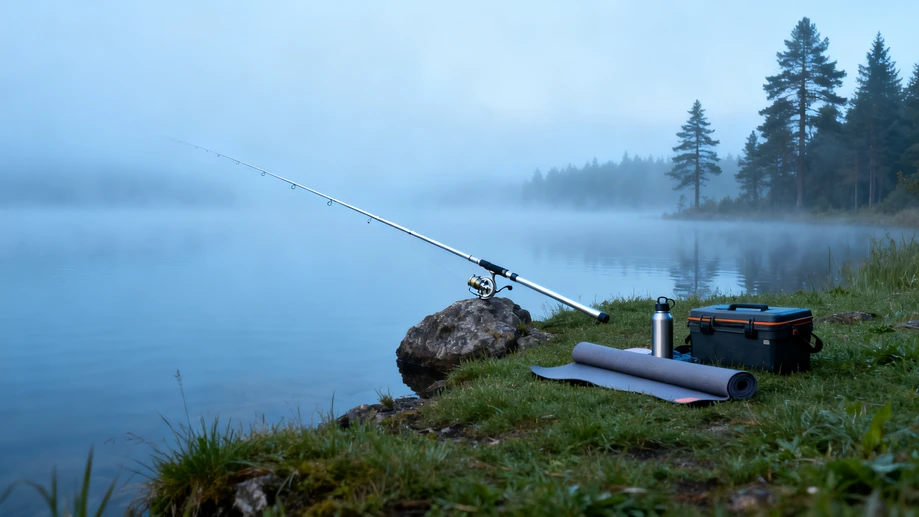
Picture this: mist rising off a glassy lake at dawn, the rhythmic slap of water against the dock, and your fishing rod bent in a graceful arc. What appears as the ultimate lazy hobby might just be nature's sneakiest full-body gym. Anglers have known for centuries that wrestling a feisty bass builds biceps, but few realize how intentional movement transforms fishing from passive waiting into active wellness. The secret lies not in grand gestures, but in the micro-actions between casts – the gentle twists, the controlled reaches, the mindful pauses that engage muscles we forget during desk-bound days.
Consider the pre-casting ritual. Before even wetting a line, savvy anglers perform a series of fluid stretches using the rod itself as a prop. Holding the rod horizontally overhead creates instant shoulder expansion while deep lunges on uneven shorelines activate stabilizing leg muscles. The motion of repeatedly casting functions as dynamic resistance training – each smooth overhead whip engages the core and obliques far more effectively than any gym machine. Even reeling becomes an opportunity; alternating between fast cranks and slow retrieves mirrors high-intensity interval training, secretly elevating heart rates while focusing on that elusive trout.
Between bites, the real magic happens. While novices slump on coolers, seasoned fishers transform idle minutes into habit-building movement snacks. Shoreline boulders become balance trainers for single-leg stands; fallen logs invite controlled step-ups to strengthen quads. Every bait change is a chance for wrist rotations that combat carpal tunnel, and walking the bank to scout new spots doubles as cardio. These micro-sessions build something more valuable than muscle: neural pathways that associate recreation with motion until standing on pebbly shores automatically triggers calf raises.
What makes fishing uniquely powerful is its movement variety. Unlike repetitive gym routines, angling demands constant adaptation – ducking under branches works hip flexors differently than wading through currents, and reaching for tackle engages new ranges of motion. This prevents the plateaus that kill exercise habits. Even the stillness holds benefits: maintaining perfect posture during long waits builds endurance rivaling Pilates holds. The ever-changing aquatic environment forces constant micro-adjustments that fire up dormant stabilizer muscles, creating functional strength that transfers to everyday life.
The neurological rewards might outshine the physical ones. Fishing's rhythmic casting and scanning patterns create meditative flow states, lowering cortisol while reinforcing positive associations with movement. This psychological loop makes consistency effortless – where gym attendance feels like obligation, casting toward lily pads feels like play. Watery surroundings amplify benefits; negative ions near water elevate serotonin, making the whole experience a mood-boosting circuit board that wires exercise into our pleasure centers rather than our chore lists.