
Is Your Living Room Secretly a Ski Training Base?
Unlock Alpine Thrills with Simple Home Fitness Hacks
Picture this: fresh powder, crisp mountain air, the exhilarating rush of carving down a slope. Now picture the all-too-common reality for weekend warriors – the dreaded "second-day wobble," where legs scream in protest after just one enthusiastic day on the mountain. This familiar agony often stems not from lack of passion, but from muscles unprepared for skiing's unique demands. The secret weapon for conquering the slopes with confidence and comfort might surprise you: it's not just about hitting the gym obsessively; it's about transforming your living space into a stealthy ski-prep zone. Forget expensive equipment or complex routines; unlocking your ski potential starts with understanding how everyday movements at home build the specific strength, balance, and flexibility that skiing craves.
Skiing is a full-body orchestra, but the core muscles are its undisputed conductors. A strong, stable core isn't just about looking good; it's your internal suspension system, keeping you balanced over those unpredictable bumps and allowing powerful, controlled turns. The beauty? You don't need a mountain to train it. Simple bodyweight exercises become your best allies. Planks, in all their variations (forearm, side, high), are foundational. Hold a solid plank, focusing on engaging your entire midsection – imagine pulling your belly button towards your spine and tightening your glutes – not just holding position. Add dynamic movements like plank shoulder taps or plank jacks to challenge stability further. Bird-dogs, where you extend opposite arm and leg while keeping your back flat and hips square, are phenomenal for anti-rotation strength, crucial when your skis want to go one way and your upper body needs to stay controlled. Even sitting properly at your desk – actively engaging your core rather than slouching – becomes micro-training. Consistency with these simple exercises builds the silent power that translates directly to ski stamina and control.
Balance is the skier's superpower. It's the difference between gracefully navigating an icy patch and an unexpected meeting with the snow. Fortunately, your home is littered with balance-training opportunities disguised as everyday moments. Brushing your teeth? Try standing on one leg. Progress to doing it with your eyes closed (safely near a wall!). Waiting for the kettle to boil? Practice mini-squats on a slightly unstable surface – a folded towel or a thin cushion works wonders, mimicking the shifting feel of skis on snow. Invest in a simple wobble cushion or balance disc. Standing on it while watching TV forces those tiny stabilizer muscles in your ankles, knees, and hips to fire constantly, building the proprioception (your body's sense of position) essential for reacting instantly to changing terrain. These micro-sessions, woven into your daily routine, build the neural pathways and muscle memory that make staying upright on skis feel almost effortless.
Flexibility is the often-overlooked key to fluid, injury-resistant skiing. Tight hamstrings limit your ability to get into that effective athletic stance. Stiff hips restrict your range of motion for powerful pole plants and smooth transitions. Inflexible ankles compromise edge control. Here’s where the magic of strategic stretching comes in, seamlessly integrated into your home life. Post-workout or after a warm bath/shower (when muscles are warmest) is prime time. Focus on dynamic stretches before activity (like leg swings forward/backward and side-to-side) and static holds (20-30 seconds) afterwards. Key areas for skiers: Deep lunges with a gentle torso twist open up tight hip flexors and quadriceps. Seated forward folds (reaching for your toes while keeping your back straight) target hamstrings. Calf stretches against a wall are vital. Don't forget the often-neglected IT band – a simple cross-legged forward fold or using a foam roller gently along the outer thigh can work wonders. Consistency is key – even 10 minutes most days dramatically improves your range of motion, making those ski movements feel more natural and reducing the risk of strains.
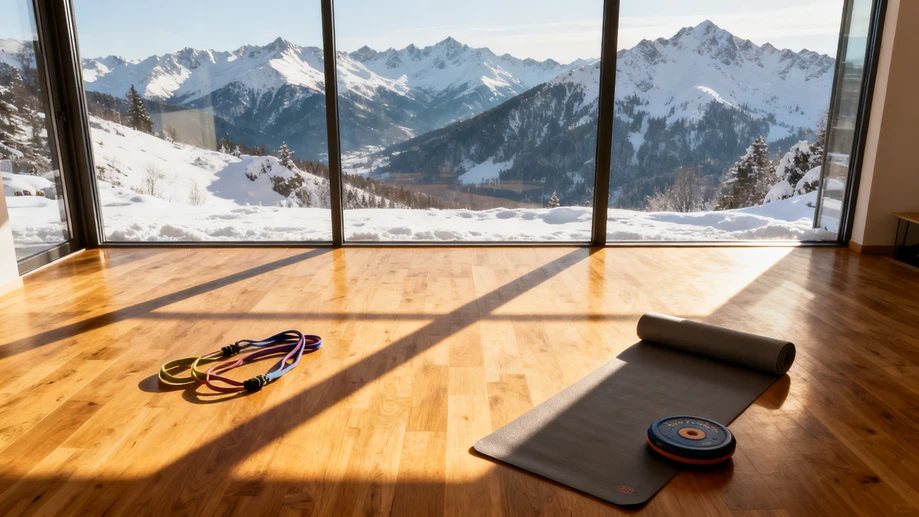
The true magic lies not in epic, sporadic gym sessions, but in the power of tiny, consistent habits woven into the fabric of your daily life. Ski fitness isn't built in a week; it's sculpted through the cumulative effect of showing up for your body regularly. Link your new "ski-prep" exercises to existing routines: core work during TV ad breaks, balance practice while brewing coffee, stretching before bed. Use visual cues – leave your yoga mat or balance disc visible as a reminder. Track your consistency in a simple journal or app; seeing the streak builds motivation. Celebrate the small wins – holding a plank 5 seconds longer, mastering a balance pose. This approach transforms fitness from a chore into an integrated part of your day, building the durable foundation needed for ski season. When the snow finally falls, your body won't be shocked; it'll be primed, remembering the strength, balance, and flexibility nurtured right there in your living room.
So, before you book that next ski trip, look around your home with fresh eyes. That space between the couch and the coffee table? That's your future mogul field. The stability you build balancing on one leg while brushing your teeth translates directly to navigating variable snow conditions. The core strength from consistent planks becomes the engine for powerful turns. The flexibility gained from nightly stretches allows for a deeper, more controlled athletic stance. By embracing these simple, consistent home-based strategies focused on core, balance, and flexibility, you transform from a hopeful snow enthusiast into a confident, capable skier. Your living room truly becomes your secret training base, ensuring that when you finally point your skis downhill, it's not just the mountain you conquer, but your own potential, one mindful movement at a time.