Why No World Cup Fan Should Skip 2-Minute Stretches Between Match Breaks
This fun practical guide links casual World Cup viewing routines to low-effort stretching habits that deliver unexpected long-term health gains without breaking a sweat.
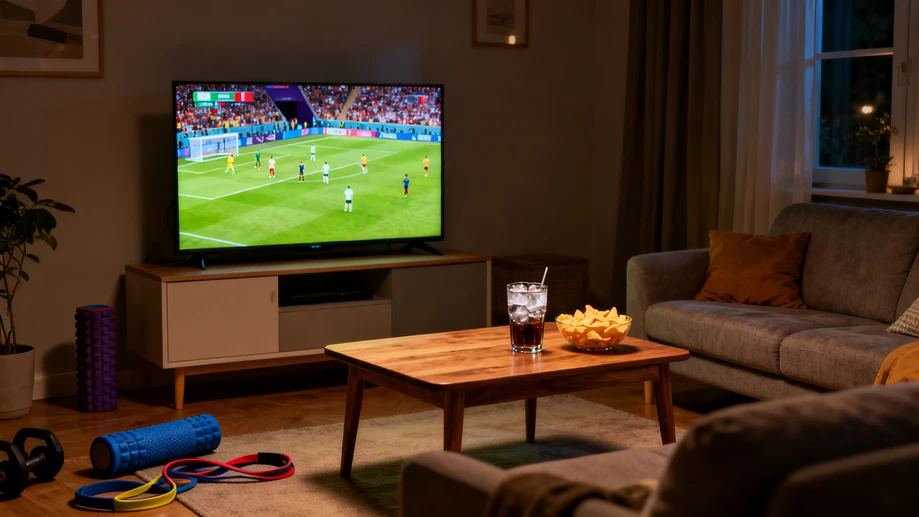
Every World Cup cycle turns millions of casual sports lovers into dedicated couch residents for nearly a full month, with stacked match schedules that make it far too easy to sink into soft living room cushions for hours on end, moving nothing more than a thumb to refresh live score updates or grab a handful of snacks from the nearby coffee table. Most viewers barely notice the faint, slow-building tightness creeping into their shoulders, lower back and calf muscles until the final whistle of a 90-minute match blows, and they try to stand up only to stumble from stiff joints that feel far less agile than the professional players sprinting across their screen just minutes earlier. The common post-tournament side effects of nonstop viewing include sore necks from craning toward screens, swollen ankles from sitting in one position for too long, and unexpected sluggishness that sticks around for weeks after the last trophy is handed out.
The good news is that eliminating all those unwanted side effects does not require dragging out a heavy gym bag, booking an expensive fitness class, or pausing your viewing experience to head out for a run. All you need to do is tie 2 minutes of gentle stretching to the natural breaks already built into every match schedule, starting the second the referee blows the halftime whistle. You can roll your shoulders back 10 times, stretch out your hamstrings by leaning forward slightly while still seated, twist your torso gently from side to side to release tight back muscles, and circle your ankles 15 times each, all without putting down your cold drink or shifting your focus away from the half-time highlight reel playing on screen. These tiny movements add up fast, and even fans who watch three back-to-back matches a day report zero of the usual stiff, achy feeling that used to linger for hours after a long viewing session.
What most people do not realize is that this tiny, zero-pressure habit is the perfect gateway to building a sustainable regular movement routine, even for people who have never managed to stick to a formal fitness plan for more than a few days. The biggest barrier to long-term exercise adherence is the intimidating mental threshold people set for themselves, where they assume every workout has to last at least an hour, require special gear and full dedication to be worth the effort. By linking a 2-minute stretch to an activity you already love and look forward to every day, you remove that barrier completely. There is no need to carve out extra time from your schedule, no need to change into workout clothes, no need to force yourself through painful movements that make you miserable. After doing these 2-minute stretches every match break for a week, most people will naturally feel motivated to add an extra 3 minutes of slow standing movement during the broadcast ad breaks, or test a couple of extra easy bodyweight moves like seated glute squeezes while waiting for a team to take a corner kick.
By the time the World Cup tournament wraps up, most fans who stuck to this small routine have unknowingly built a consistent movement habit that requires no extra willpower to maintain. It is common to see viewers report that they no longer feel compelled to sit through every single ad break glued to their couch, and they automatically stand up and stretch for a minute every time they finish a work task or a regular TV show long after the final match has ended. Unlike crash fitness challenges that burn out after two weeks, this habit grows gradually and naturally, attached to happy memories of cheering for favorite teams and celebrating stunning match goals, so your brain links movement to joy instead of unpleasant punishment. Many long-time fans also note that they avoided the classic post-World Cup weight gain that plagues most non-moving viewers, since the extra muscle activation burns far more calories than sitting completely still, even if you never break a full sweat.
There is no need to rewrite your entire schedule or overhaul your lifestyle just to make small positive health changes during the World Cup. The best fitness habits are never the ones that demand all your time and energy, they are the ones that slot seamlessly into the parts of your life you already enjoy and look forward to. The next time you sit down to watch a highly anticipated knockout match, try lifting your feet off the floor for 10 seconds at a time during the pre-game warmup segment, or roll your neck slowly from side to side while you wait for the player lineups to pop up on screen. That tiny, trivial 2-minute choice will not make you miss a single iconic goal, but it will make your entire viewing experience feel far more comfortable, and give you a tiny health boost that lasts far longer than the final celebration of the tournament winner.