Who Said World Cup Watch Parties Only Involve Chips And Couch Slouching
This fun zero-effort stretching routine fits perfectly into match breaks to turn your game nights into unexpected fitness gains
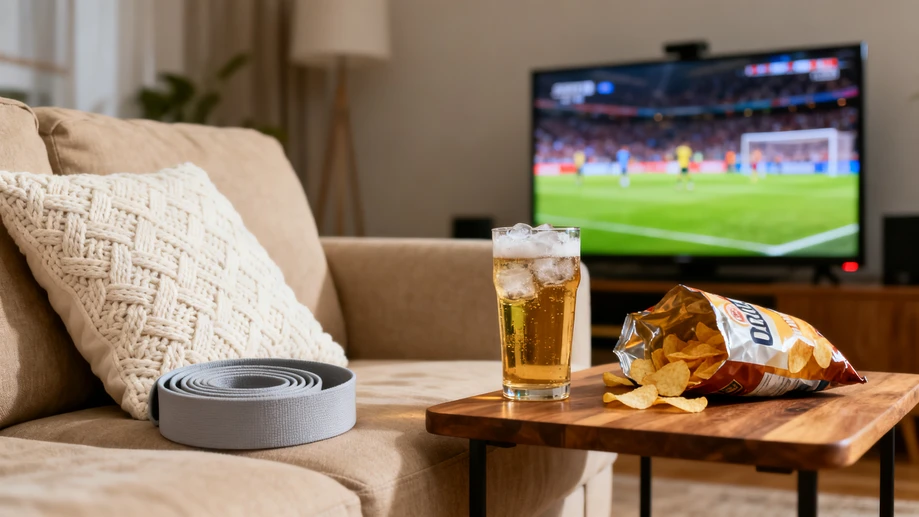
For most casual football fans, a full month of World Cup matches means hours of unbroken sitting on the couch, piles of salty snacks within arm’s reach, and constant slouching to get a better view of the tiny action on the screen. By the time the group stage wraps up, most people are already complaining about stiff necks, tight lower backs, and that fuzzy sluggish feeling that sticks around for two days after a late night knockout game. The common assumption is that you have to choose between fully enjoying every second of the World Cup action and keeping your body from seizing up into a tight, uncomfortable mess by the end of the tournament, and most fans immediately pick the full unbroken viewing experience without a second thought. What almost no one talks about, though, is that there are dozens of built-in small gaps scattered across every 90 minute match that are perfect for tiny low-effort movement, none of which will make you miss a single critical pass or last minute winning goal.
These tiny windows of free time are way more common than most viewers notice, from the two to three minutes spent replaying a goal from every possible camera angle, to the multi-minute VAR check that makes everyone hold their breath waiting for a call, to the long breaks while teams line up for a penalty kick or wait for a player to get medical attention on the pitch. All of these moments are ideal for a quick set of simple stretches that require no equipment at all, and every single one can be done within arm’s reach of your couch so you never have to take your eyes off the screen. A slow 30 second side stretch for each side of the neck eases the tension built up from leaning forward for 45 minutes of first half action, a few slow cat-cow movements right on the edge of the couch releases pressure on the lower back, and a 45 second seated hip stretch on each side gets rid of that dull heavy ache that builds up after hours of sitting with your legs crossed.
If you follow this tiny routine every single match, you will not walk away at the end of the World Cup with the stereotypical “tournament back pain” that lingers for a full week after the final whistle. A lot of long-time fans have shared that they even started turning these mid-match stretches into a silly little shared ritual for their whole household, where everyone automatically moves through the set of stretches the second a VAR check pops up on screen. No one has to nag anyone to get up and move, no one has to pause the match or pull up a separate tutorial, and no one wastes 10 minutes of viewing time scrolling through their phone to kill the break. The small movements feel like a natural part of the match flow, rather than a forced chore you have to squeeze into your busy schedule.
The best side effect of this tiny integrated movement habit is that it trains your brain to automatically associate moments of waiting or downtime with gentle, caring movement for your body, instead of defaulting to slouching deeper into your seat. Long after the World Cup trophy is lifted and the last confetti has fallen, you will find yourself automatically doing the same set of small stretches during TV ad breaks, while waiting for your food to heat up in the microwave, or after sitting at your work desk for a full hour without a break. What started as a fun little hack to avoid post-World Cup body aches turns into a sustainable long-term stretching habit that takes almost zero willpower to maintain, no expensive gym membership or 2 hour daily workout block required.
By the time the final match rolls around, you will have completed well over 60 separate small stretching sessions across the whole tournament, racking up multiple hours of gentle movement that you would have otherwise spent completely motionless on the couch. That adds up to more consistent low impact movement than many people who only make it to the gym once every two weeks manage to fit in, all while you were fully engaged in following every twist and turn of the World Cup matches. You do not have to rearrange your whole life or give up any of your favorite viewing snacks to get these small fitness benefits, you just have to make use of the tiny gaps that already exist in the broadcast that no one ever thought to use for movement before.