Transform Your World Cup Watch Marathons Into A Sneaky Daily Stretch Routine Without Even Leaving Your Sofa
Learn how to turn every halftime break and VAR waiting window of the ongoing World Cup tournament into a tiny, low-effort fitness habit that boosts your mobility and eliminates post-watch back soreness for good.
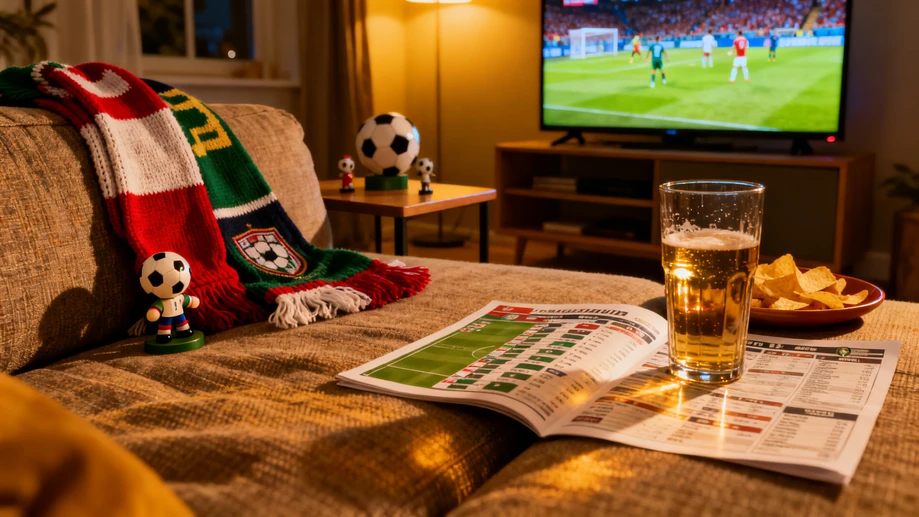
For billions of fans across the globe, the ongoing World Cup schedule means weeks of carefully planned snack stashes, rearranged work shifts, and endless hours parked in front of the screen to catch every kick, pass and last-minute goal. Most of us have had that familiar unpleasant moment after the final whistle blows on a late-night group stage match, when we stand up to head to bed and realize our lower back is locked tight, our neck feels stiff enough to crack if we turn too fast, and our leg muscles have gone slightly numb from being in the exact same seated position for three straight hours. For years, the common assumption has been that dedicated World Cup viewing and consistent movement habits are completely mutually exclusive: you either pause your watch party to drag yourself to a gym session and miss key match moments, or you fully commit to being a couch potato for a month and deal with all the unpleasant physical side effects later on. This is a false choice that no soccer fan ever has to settle for, as tiny, low-impact stretch movements can be seamlessly woven into every gap in the broadcast with zero interruption to your viewing experience.
You might be shocked to calculate just how much unused downtime exists across a full 90-minute professional soccer match that is broadcast for at-home viewing. Between referee VAR reviews that can stretch on for five minutes at a time, extended injury substitution breaks, slow-motion replay montages that air right after every major play, and the full 15 minute halftime interval set aside for commentary and highlights, the average full match offers close to 30 minutes of total time where the core live play action is paused or slowed down enough that you do not need to stare at the screen with full, undivided attention. If you follow multiple matches a week across the full group stage, that adds up to nearly two full hours of unstructured free time scattered across your viewing schedule, which is more than enough to build a consistent daily stretch habit that requires absolutely no extra planning, no special equipment, and no extra time carved out of your regular day to work on your mobility.
Every single suggested stretch in this casual routine can be done entirely from your couch or armchair, so you never have to wander out of eyesight of the screen to get the full benefit. When you hear the commentator announce that the referee has called for a VAR review to check a possible penalty call, you can lace your fingers together, raise your arms straight above your head, and lean slowly from one side to the other to stretch out your tight side and back muscles, keeping your eyes locked on the pitch the entire time so you do not miss a single second of the final ruling. During the full halftime break, you can prop your heels up on the edge of your coffee table, lean your upper body forward slowly from the hips, and hold the position for 30 seconds at a time to release all the tension that has built up in your calves and hamstrings from sitting for the first 45 minutes of the match. Even right after your favorite team scores a stunning last-minute goal, once you finish cheering and pumping your fists in celebration, you can do a few slow, large shoulder circles forwards and backwards to release the built up tension in your upper body from all the excitement.
What makes this World Cup stretch routine so much more sustainable than other at-home fitness plans most people try and abandon is that it does not rely on sheer willpower to stick to. Most people who try to build a regular stretching habit find themselves fighting internal resistance every single day, forcing themselves to drag out a yoga mat, change into workout clothes, and carve 30 full minutes out of their busy schedule to go through the motions even when they are tired after a long day of work. Tying your stretch sessions to pre-existing, fun daily rituals that you already look forward to, like watching your favorite soccer team play on screen, removes almost all of that mental friction, because you do not have to convince yourself to do a separate boring chore you do not want to prioritize. After two full weeks of following this pattern, most people notice that the sharp lower back soreness they used to get after every late night match is completely gone, their neck no longer feels stiff and tight after long sessions of desk work the next day, and they have accidentally developed a natural impulse to stand up and stretch for a few seconds every time they notice they have been sitting still for almost an hour.
By the time the World Cup final rolls around a few weeks later, you will have completed dozens and dozens of short stretch sessions without ever having to force yourself to do a single thing you did not feel like doing. You will not have missed any incredible goals, any unforgettable underdog upsets, or any of the most memorable commentary moments of the entire tournament. Many fans even turn these casual stretch breaks into a silly low-stakes game with friends who are watching the match alongside them, competing to see who can do the smoothest hip stretch during a long VAR review without missing a single second of the ruling, or who can loosen up their tight neck muscles the fastest before the second half of the match kicks off. At the end of the whole tournament, you will walk away with a brand new, sustainable movement habit that sticks with you long after the final trophy is lifted, rather than a month of stiff, sore muscles that take weeks to recover from.