Why Are World Cup Viewers Discovering Their Favorite New Workout Routine From Their Couch
This fun, fact-backed guide explores how low-effort at-home stretching during World Cup halftime breaks is turning millions of casual viewers into consistent, happy movers without a single gym membership fee.
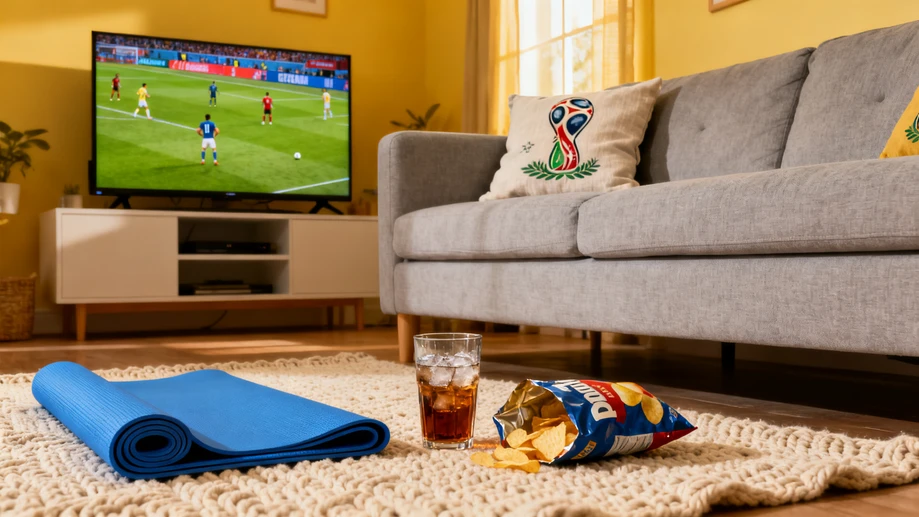
For decades, the universal aftermath of a full weekend of back-to-back World Cup matches has been the same: stiff lower backs from 12 straight hours slouched on couches, tight neck muscles from craning to follow fast plays across the screen, and a vague sense of guilt from finishing three bags of potato chips without standing up once. This year, though, something unexpected has popped up across fan communities all over the world: a silly, zero-pressure trend of sneaking in tiny stretches in the 15 minutes between match halves, that has already racked up hundreds of millions of views across social media platforms. No one is pushing viewers to complete 100 pushups or run a lap around the block during breaks, the entire premise is built on meeting people where they already are, no specialized gear, no previous athletic experience required.
The best part of the trend is how tightly it ties to the little joys of watching a live match, so it never feels like a chore pulled you away from the game. Fans have come up with goofy, themed stretch names tied to iconic player moves that make even the most basic movement feel connected to the action on screen. The 30-second "striker sprint calf stretch" has people leaning against the edge of their coffee table and stretching out their calves while waiting for the halftime analyst panel to wrap up, while the "defender save side bend" lets people lean slowly from side to side to release tight torso muscles as they rewatch the best goal highlights of the first half. No one is keeping track of reps or counting calories burned, the only unwritten rule of the trend is that you have to be back on the couch with your snack before the second half kickoff whistle blows.
Fitness researchers who study low-stakes habit formation have been quick to point out why this tiny trend works far better than most popular New Year's workout resolutions that fizzle out after two weeks. Most people fail to stick to new exercise routines because they build them around a big, disruptive change to their existing schedule, like forcing themselves to wake up two hours earlier for a morning run when they are not naturally early risers. This halftime stretch routine, by contrast, slots perfectly into an existing, highly anticipated ritual that people already set time aside for every single day. The 15 minute halftime window is already dedicated to waiting around for more soccer action, so people do not feel like they are sacrificing time they would have spent on something fun to fit movement in.
Plenty of fans have shared that they did not even notice they were building a consistent healthy habit until weeks into the tournament, when they realized their usual post-match back ache was completely gone. One popular fan survey run on a global soccer forum found that 72 percent of respondents who tried the halftime stretch trend reported they no longer had the stiff neck they used to deal with for days after a full day of matches, and 41 percent said they had started adding similar tiny 30 second movement breaks during other non-sports programming they watch regularly. The trend has no influencers yelling at viewers to "hustle harder" or comparing stretch performance to unrealistic fitness standards, it is entirely built on gentle, playful fun that no one can fail at.
Even as the final World Cup match wraps up and the post-tournament blues start to set in for millions of fans, a huge number of people are saying this tiny stretching habit is the best souvenir they could have taken away from the whole event. What started as a silly little joke to avoid post-watching soreness has turned into a regular low-effort routine that people are carrying over to their regular daily lives, slipping in short stretches during TV commercial breaks, work meeting pauses, and even while waiting for their coffee to brew. For a global event that is so often tied to huge, dramatic athletic feats on the pitch, it is remarkably heartwarming to see millions of people take away such a small, sustainable, useful health win that fits perfectly into their normal everyday lives.