You Will Never Waste A World Cup Halftime Break Scrolling Through Your Phone After Trying These Stretches
This practical, fun guide shows how to fit no-equipment stretching moves into your World Cup viewing routine to build sustainable movement habits without missing a single match highlight.
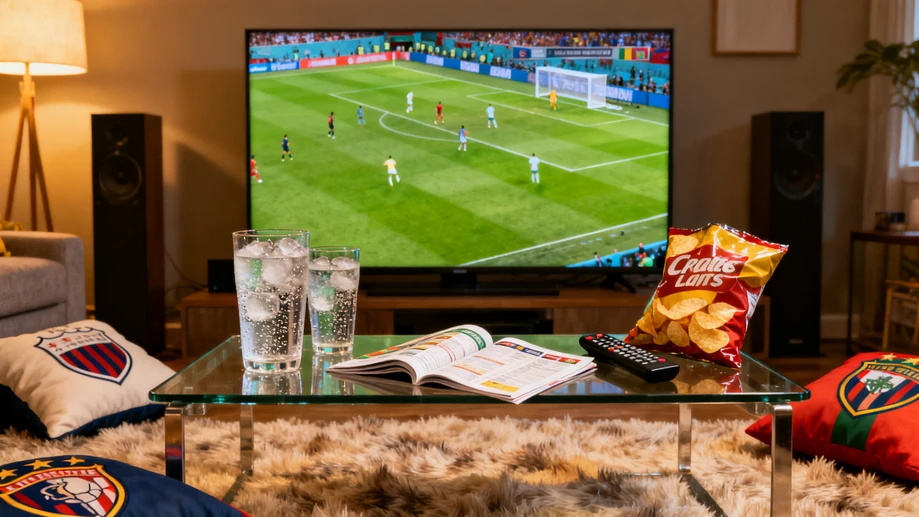
For most casual World Cup fans, the past few weeks of viewing have followed a familiar pattern: you sink into your comfiest couch spot right before kickoff, stack salty snacks and cold drinks within arm’s reach, and stay glued to the screen for 45 minutes of nonstop action, rarely shifting your position even once. By the time the half-time whistle blows, most people grab their phones to scroll through social media arguments about bad referee calls, or trudge slowly to the kitchen to refill their snack bowl, not noticing their lower back is stiff, their hip flexors are tight, and their legs are already half-asleep from being curled up on the cushions for so long. You have probably told yourself dozens of times that you do not have enough extra time to fit fitness into your busy schedule between work, household chores, and making time to watch every match of the tournament, so stretching or any form of extra movement keeps getting pushed to a vague “later” date that never arrives. What almost no one tells you is that you do not need to carve out a 90-minute gym session, buy expensive workout gear, or even change out of your soft loungewear to get real, tangible physical benefits from tiny bursts of movement that fit perfectly into the time you already set aside for watching the games.
All the stretching moves you can use for your half-time routine are designed to be themed around the sport you are already watching, so they feel like a fun part of the viewing experience instead of a tedious chore you have to force yourself to complete. The first move you can try is the goalkeeper side lunge stretch, where you mimic the wide lateral steps a keeper takes to dive for a low cross, shifting your weight slowly from one side to the other to stretch out your inner thighs and tight hip muscles that cramp up after long periods of sitting. You can easily do this move while you are debating a contentious offside call with the people you are watching with, or while you listen to the studio analysts break down the first half’s best plays, so you do not waste any of the match-related conversation or content you would have paid attention to anyway. The second simple move is the linesman reach stretch, where you lift one arm high above your head exactly the way an assistant referee lifts their flag to signal a foul, stretching the entire side of your torso and your overworked upper back that has been hunched over your phone or the couch for the whole first half. The third low-effort move is the substitute warmup shuffle, where you take slow, small high knee steps in place for 30 seconds, no jumping or heavy impact required, to get blood flowing back to your calves and feet that have gone numb from being tucked under the couch.
What makes this system so much more effective than the generic New Year’s fitness resolutions that almost everyone abandons after three days is that you are tying your new movement habit to a trigger that you already follow reliably, rather than trying to force yourself to remember a random new task out of nowhere. You do not have to set an extra alarm, write a reminder note on your fridge, or use a fancy habit tracking app to remember to stretch, because the half-time whistle that blows after every 45 minutes of match play will act as your automatic, no-fuss reminder to stand up and move your body for a few minutes. Over the course of a full group stage, that adds up to dozens of small stretching sessions that add consistent mobility work to your weekly routine without you ever feeling like you are putting in extra effort. By the time the knockout rounds start, most people who stick to this tiny routine notice their usual end-of-workday shoulder tension is gone, they do not get sore backs after sitting through two back-to-back matches in one evening, and they even have more energy to stay focused through full 30-minute extra time periods without feeling sluggish and drained the next morning.
There is no need to turn these half-time stretching sessions into a high-pressure workout challenge that makes you feel frustrated if you do not hit a certain arbitrary benchmark. You do not have to make sure every move is perfectly aligned with professional fitness tutorial standards, you do not have to time yourself to hit a specific number of reps, and you definitely do not have to post photos of your stretching routine to social media to check it off your daily to-do list. Even if you only have two minutes before the second half starts, you can do two slow side lunges and one overhead reach per side to shake off that couch-bound stiffness, and that is still far better than scrolling mindlessly through your phone the entire break. Thousands of casual fans across the world have already adopted this tiny habit for the current World Cup, with many sharing silly little anecdotes about how their house pets have even started lingering around their feet while they do their half-time stretches, or how their snack prep routine now fits perfectly in between a few quick movement sets.
When the final match of the World Cup wraps up and the tournament comes to a close, you do not have to let this small, beneficial habit fall by the wayside and go back to your old fully sedentary viewing routine. You can easily swap the half-time match whistle trigger for other common natural pauses in your daily schedule, from the commercial breaks of your favorite weekly TV show to the short break between two back-to-back work meetings, to keep fitting these short, low-effort stretching moments into your life. Over time, you will build a consistent movement habit that requires zero willpower, zero expensive equipment, and zero extra hours carved out of your already packed schedule, leaving you feeling looser, more energized, and far less likely to deal with the chronic stiffness that plagues most people who spend long hours sitting every single day.