Who Says You Can Only Get World Cup Fitness Gains At A Stadium
This entertaining popular science piece connects your ongoing World Cup viewing ritual to easy home fitness arrangements that cost zero extra time and deliver far more visible benefits than you expect
For most casual sports fans across the globe, the ongoing World Cup schedule has turned daily life into a tightly organized rhythm built around match times, snack prepping, and quick check-ins on social media to catch hot takes from other viewers. Many people have found themselves sitting on the couch for 3 to 4 continuous hours each match night, eyes glued to the screen, and only moving to grab a handful of chips or sip a cold drink when their favorite team is making a slow pass across the field. After two weeks of this routine, a large number of fans start to notice subtle physical discomforts: stiff neck after watching a 90-minute match shot with fast moving camera angles, sore lower back from sinking into the soft sofa for too long, and a vague sense of guilt when they see professional players sprinting across the field at full speed for 90 minutes straight, thinking they could never reach that level of activity even if they tried. The good news is you do not need to sign up for a pricey gym membership, buy a full set of professional football training gear, or even step out of your front door to turn that World Cup viewing energy into tangible, sustainable fitness progress that fits perfectly into your existing schedule.
The easiest starting point to build this new pattern is to make full use of the 15-minute halftime break that exists in every single World Cup match. Most viewers usually spend this short period scrolling through short video platforms to watch funny highlight clips, or rushing to the kitchen to refill their snack bowls, but you can turn this window into a tiny, low-pressure home workout session that does not interrupt any of the actual match action. You do not need to do high intensity burpees or jog in place for 15 minutes straight, simple moves that target the parts of your body that get stiff from long time sitting work perfectly. You can do 12 slow, controlled bodyweight squats to activate your leg muscles that have been resting for the first half, do 15 cross-body shoulder stretches on each side to release the tension built up from hunching over to stare at the screen, and do 20 slow heel raises to get your blood flowing back to your lower calves. If you want to make it more fun, you can even mimic the slow motion dribble, shooting, and defensive moves you saw players do in the first half at half speed, treating the whole 15 minutes as a silly little interactive game you play with the match you just watched. None of these moves will make you sweat so much you have to change your clothes, and all of them take zero preparation since you already have all the space you need right next to your sofa.
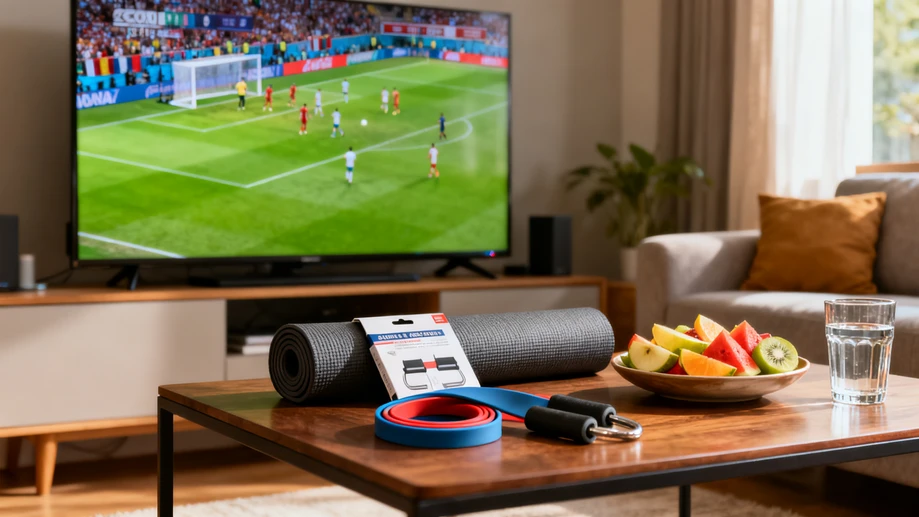
To turn these random 15-minute moves into a long term exercise habit, you can tie every bit of your new routine directly to the natural emotional highs that come with watching World Cup matches, which makes motivation something you never have to force out of yourself. Instead of setting unachievable goals like "work out for 1 hour every day for a month", you can set tiny, match-related milestones that align perfectly with the excitement of the game. For example, every time your favorite team completes a successful attacking pass, you can stand up and do 3 quick side steps across the length of your coffee table. Every time they score a goal, you can do 5 quick chest expansions to celebrate in a way that is good for your posture instead of screaming and hunching over. If your favorite team manages to win a full knockout match and move on to the next round, you can reward yourself with a small low-cost fitness item like a thin resistance band or a foam roller that you can keep next to your sofa for future sessions. This design makes your brain link the positive excitement from match wins to the small movements you make, and after 7 to 10 days of this pattern, you will find yourself automatically standing up and getting ready to move the moment you see your team push into the attacking third, instead of staying glued to the couch the whole time.
The little known science behind this fun setup aligns perfectly with the training habits of actual World Cup players that most casual fans never hear about. A lot of people assume professional football players spend all their training time doing full field sprints and intense scrimmages, but in reality, low intensity recovery stretches, light muscle activation movements, and low impact mobility work make up over 40% of their total weekly training hours. These light movements are the exact same category as the little home workout steps you can do during halftime, and they are far more effective for ordinary people with no professional athletic training background than forcing yourself to complete a high intensity workout that you can only keep up for 3 days before burning out. You do not need to hit the same fitness level as a World Cup player to get health benefits, you just need to keep your body moving consistently in small ways that do not feel like a heavy chore.
By the time the final World Cup match wraps up after the full month of competition, the only thing you will not have is the common post-tournament regret of gaining 3 to 5 pounds of extra weight from non-stop snacking and sitting still. Instead, you will have built a consistent, low effort movement habit that has already been reinforced by dozens of match breaks and goal celebration moments, and you will notice that your neck and back stiffness has disappeared completely, you can walk up three floors of stairs without getting winded, and you even have the mobility to join a casual weekend amateur football match with your friends without getting sore all over the next day. That is the most unexpected, long lasting hidden reward you can get from following the World Cup, far more valuable than any commemorative merchandise or short term viral meme.