Who Knew Watching World Cup Games From Your Couch Could Turn You Into A Regular Stretching Enthusiast
This zero-pressure habit building trick tied to World Cup viewing fits perfectly into your existing daily schedule with zero extra cost or effort.
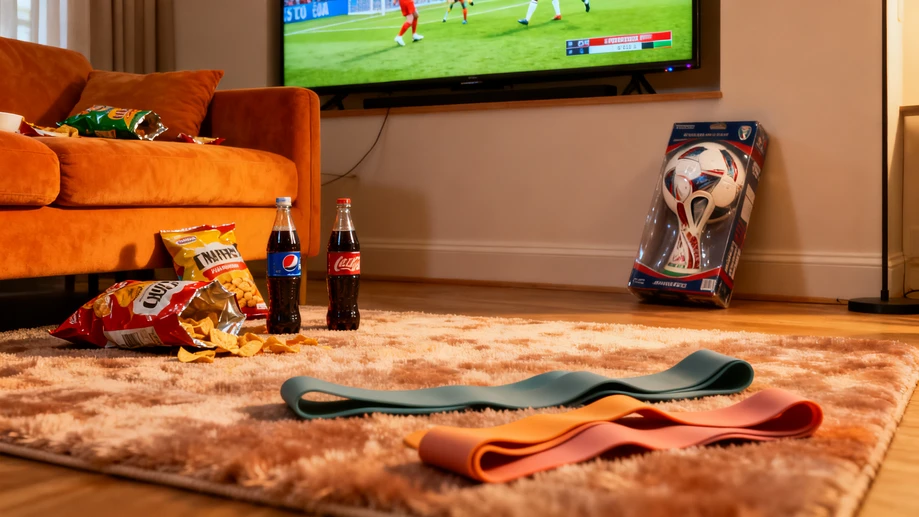
Across the globe right now, hundreds of millions of fans are rearranging their sleep schedules, clearing their weekend calendars, and stocking up on snacks to catch every minute of ongoing World Cup matches. For most casual viewers, the full experience involves sinking into a soft couch for two to three hours straight per match, sipping cold drinks and munching on fried snacks while yelling at the screen for missed shots or unfair foul calls. What most people do not realize after weeks of this routine is that their bodies are slowly building up uncomfortable tightness from being stuck in the same seated position for hours on end. Many people have tried and failed to start new fitness plans at the start of the World Cup, thinking they would get inspired to hit the local pitch or sign up for a gym membership after watching their favorite players run across the pitch, only to let those new workout clothes and unused soccer balls collect dust in the corner of their closet a week later. The good news is you do not have to completely overhaul your existing viewing routine to get meaningful movement benefits that stick for the long run.
The secret window no one talks about is the 15-minute halftime break that happens right after 45 minutes of match play, a period that most people waste scrolling through social media or arguing with their friends about the referee’s calls. If you pay even half attention to the broadcast during this break, you will see shots of substitute players warming up along the sidelines, running through simple stretching sequences to keep their muscles loose and ready for possible second-half play. You do not need to copy their high-dynamic, performance-focused moves that are designed for professional athletes at the top of their physical ability. Instead, you can pick out the slow, gentle stretches you see them doing, and replicate them at your own pace while you listen to the commentators break down the first half’s top plays. You can do slow ankle circles while watching the replay of that incredible near-goal, hold a gentle hamstring stretch against the edge of your couch during the tactical analysis segment, and roll your shoulders back and forth to release the tightness in your upper back while the show cuts to a commercial break. All of this movement will take up 12 minutes at most, leaving you three full minutes to grab a fresh drink or refill your snack bowl before the second half kicks off, with zero risk of missing any actual match action.
After sticking to this tiny routine for just a handful of match days, you will start noticing small but obvious positive changes in how your body feels. The lower back soreness that used to kick in after 90 minutes of seated viewing will disappear entirely, and you will no longer stumble and feel pins and needles in your calves when you stand up to turn off the television after a full match ends. People who have followed this method for a full group stage period report that they no longer wake up with stiff necks the day after catching a late-night kickoff that started at 2 a.m. local time, and their usual mid-afternoon slump at work gets a lot less intense as well. You will not feel any of the usual burnout that comes with forced fitness regimens, because you never have to block out extra time in your calendar, change into special workout gear, or summon up extra willpower to push through a tiring session. The stretching sequence feels like a natural part of your World Cup viewing ritual, not a chore you have to check off your to-do list.
What makes this trick far more effective than most popular habit-building guides on social media is that it does not ask you to build a new routine from nothing, it simply tacks a tiny beneficial action onto a behavior you are already 100% committed to. Most mainstream fitness advice fails for ordinary people because it demands you to carve out 60 to 90 minutes of free time you do not have, drag yourself to a gym when you are already exhausted after a full day of work, and force yourself to do exercises you do not find fun at all. By linking your stretching practice to the World Cup matches you are already making time for, you skip all of those unnecessary barriers completely. The alarm you set on your phone to remind you the match is about to start also acts as a reminder that you will get a short, fun stretch break in less than an hour and a half, and you never have to talk yourself into following through on the plan.
By the time the entire World Cup tournament wraps up a few weeks later, you will have completed more than 30 full gentle stretching sessions without even noticing, and you will have built a natural muscle memory that makes you want to stand up and move your body after every hour or two of seated activity. You do not have to give up your favorite World Cup snacks or stop cheering for your favorite teams at the top of your lungs, and you never have to spend a single dollar on expensive gym memberships or fancy fitness equipment to get all of these physical benefits. A large number of fans who tried this trick in previous tournament cycles said they kept their new stretching habit for more than two years after the final whistle blew, and never went back to feeling the constant joint tightness that used to bother them before they started the tiny low-effort routine.