You Can Build A Lifelong Sustainable Exercise Habit While Binge-Watching Every World Cup Match This Year
This fun science-backed guide lets you enjoy every minute of top tier football action without sacrificing your daily fitness goals or extra leisure time
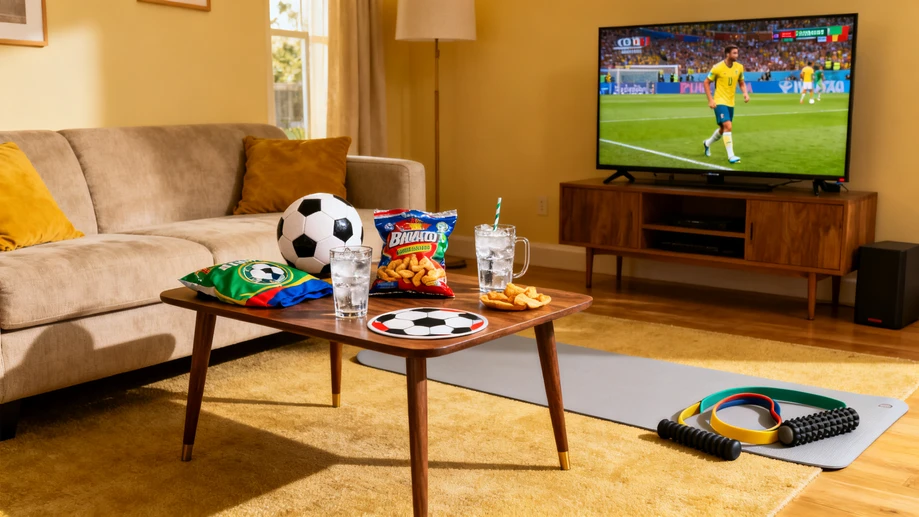
For most casual and diehard football fans alike, the World Cup cycle is a four-year ritual full of late nights, snack spreads, and hours glued to the television that leaves most people slouched deeper into their couch cushions with every passing match. Many fans even put their regular workout routines on full pause for the entire month long tournament, convinced they have to choose between catching every single pass and shot on screen and staying on top of their fitness targets. What most people do not realize is that this very specific, highly anticipated concentrated block of free time spent waiting for your favorite plays to unfold is the perfect low pressure environment to build a consistent movement habit that sticks long after the final trophy is lifted.
The trick does not require fancy gym equipment, pre-planned hour long workout blocks, or missing a single second of on-pitch action. You can map every small break in live match play to a simple movement that fits right into the existing rhythm of the game. During stoppages for free kicks, substitutions, or video referee reviews, you can knock out 12 to 15 bodyweight squats right next to your couch. When the ball is moving slowly across the midfield for extended stretches, you can do slow shoulder rolls and standing side stretches to release the tension built up from hunching over your snack bowl for an hour. Even the 15 minute halftime break is more than enough time to fit in a full set of leg stretches, cat cow spinal movements, and a quick set of glute bridges to counteract the negative effects of sitting still for 45 straight minutes. Over the course of a full 90 minute match plus stoppage time and halftime, you can easily rack up 25 to 30 minutes of consistent low impact movement without ever stepping foot outside your front door.
Behavioral science research from public health institutions shows that habit stacking, the practice of attaching a new desired routine to an existing behavior you already complete without thinking, is twice as likely to create long term lasting change than trying to build a new habit from scratch. Since you are already fully planning to watch every World Cup match no matter what, you do not have to waste any willpower convincing yourself to show up for a workout session. The positive emotional rush you feel when your favorite team makes a good play or scores a goal will even reinforce the positive association with movement, so you will start to link physical activity to fun and excitement instead of a tedious chore you have to drag yourself through. By the time the group stage wraps up two weeks into the tournament, most people who try this method will notice their body automatically starts to shift into movement mode as soon as the opening match intro music starts playing on screen.
Plenty of regular fans who tested this method during the last major international football tournament reported surprising side effects beyond avoiding the usual post-World Cup back pain and stiff neck that hits after weeks of sedentary viewing. Many found they slept far better after match nights, since the small bursts of movement throughout the broadcast helped keep their blood flowing and prevented them from crashing into a deep food coma right after the final whistle. Several even mentioned they did not end up overeating nearly as much during long matches, since their small movements kept their hands busy and distracted them from mindlessly reaching for extra chips and sugary drinks. Over the full course of the tournament, many regular participants lost three to five pounds of excess water weight and built up a baseline of mobility that made their old pre-tournament workout routines feel far easier to return to once the matches ended.
Once the World Cup wraps up, you do not have to abandon this entire system and fall back into old sedentary patterns. You can easily transfer the same habit stacking logic to your regular post-work leisure routine, attaching short movement breaks to the commercial breaks of your favorite television shows, the pauses between episodes of your go-to streaming series, or the breaks in play of any other sporting event you watch throughout the year. You never have to carve out huge chunks of extra time to hit arbitrary fitness targets that feel impossible to keep up with. All you need is a small open space next to your couch and a few minutes of scattered time you already have available, to turn casual viewing hours into the foundation of a healthy movement routine that supports your wellbeing for years to come.