Can You Survive The Full 64 World Cup Matches Without Aching All Over
This casual popular science piece shares low-effort stretch hacks that fit seamlessly into your World Cup viewing schedule, helping you avoid post-long-watch soreness and build tiny, sustainable movement habits without stealing extra time from game time.
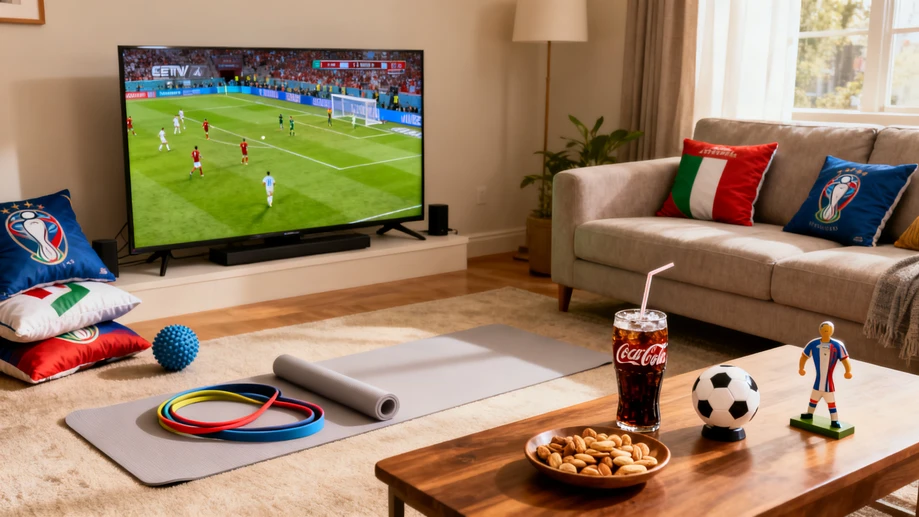
Across the globe, millions of fans have locked their schedules around the latest World Cup fixture list, marking 64 exciting matches spread across a month packed with last-minute penalty saves, underdog upsets and iconic celebration moments. Most of us already have our go-to viewing stations set up at home: extra soft throw blankets stacked on the sofa, a cooler full of iced drinks within arm’s reach, and snack bowls pre-filled before each kickoff. What no one wants to deal with halfway through the tournament is that dull, throbbing lower back ache that hits right when your favorite team is gearing up for a decisive attacking run, or the stiff neck that makes it hard to turn your head at work the morning after a late-night group stage match. For years, most casual sports fans assumed this ache is just the unavoidable price you pay for full immersion in the World Cup fun, but that could not be further from the truth. The soreness does not come from the excitement of the game itself, it builds up because our muscles get locked in the exact same hunched, seated position for 90 to 120 minutes straight without even a tiny adjustment.
The best part of the stretch routines tailored for World Cup viewing is that none of them require you to look away from the screen even for a second, or pause the live broadcast to follow a 20-minute fitness tutorial. You can time every single movement to the natural gaps that already exist in every game, no advance planning required. When the referee calls for a throw-in on the far side of the pitch, you can slowly straighten one leg out in front of you, pull your toes gently back toward your shin and hold the position for 10 full counts before switching to the other leg, to release the tightness building in your calf and hamstring. When players huddle to discuss a free kick strategy 30 yards from the goal, you can interlace your fingers, push your palms up toward the ceiling and stretch your whole upper body as far as it will go for 8 seconds, to undo the slouched posture you have been holding since kickoff. Even the long VAR review pauses that used to make you fidget and scroll through your social media feed can now turn into a chance to roll your shoulders backward 10 times, to melt away the knots building between your shoulder blades. None of these movements will make you break a sweat, none require special equipment, and you will never miss a single dribble or goal while you do them.
A lot of people who want to build regular movement habits usually put their plans on hold the second a big sporting event rolls around, promising they will “start working out properly after the World Cup ends”. The problem with that logic is that once the final whistle blows on the tournament, all the momentum you could have built those four weeks vanishes, and you are right back to your old routine where you never carve out 30 minutes a day for movement. Tying tiny stretch actions to existing game viewing rituals solves this problem completely, because you do not have to force yourself to remember a separate new to-do item. After three matches or so, you will automatically start leaning into a hamstring stretch as soon as you see the referee pull up his VAR screen, the same way you automatically reach for a handful of popcorn as soon as the opening whistle blows. Over the course of four weeks, you will not just avoid the usual post-tournament body aches, you will also have built a tiny, low-stakes movement habit that is far easier to keep up than an intense gym routine you forced yourself to sign up for on New Year’s Eve.
By the time you reach the knockout stage of the World Cup, you will start noticing small, fun changes to your daily life that have nothing to do with the scores on the pitch. You will not have that stiff, heavy feeling in your calves that used to make you drag your feet to the kitchen for a second snack in the middle of extra time, and you will not wake up the next morning with a kink in your neck that makes it hard to sit at your office desk. Many long-time fans even say that these little mid-game stretches make their viewing experience more immersive, because they no longer have to shift around uncomfortably every five minutes to find a non-aching spot on their sofa. Some have even started small friendly competitions with their fellow fan groups, sending quick messages to each other every time a free kick is called to remind each other to get that upper body stretch in. It turns out you do not have to be a professional athlete to enjoy the energy of the world’s biggest football tournament, you just need a handful of 10-second movements to make the whole experience feel good for both your mind and your body.