Who Says World Cup Fever Can Only Be Enjoyed From The Couch
This casual guide turns your 90-minute match viewing ritual into a low-effort, long-lasting exercise habit that requires zero gym membership
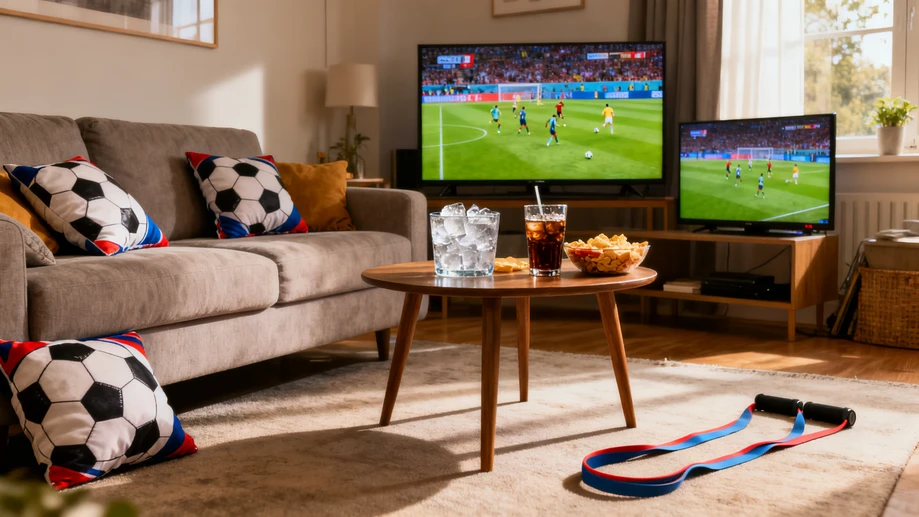
Millions of football fans around the world block off hours of their schedule every week to catch live World Cup matches, stocking up on cold drinks, salty snacks and extra throw pillows to settle into the softest spot on the couch for the full duration of the game. Most people leave the couch only twice the whole night, once to grab more snacks from the kitchen and once to dash to the bathroom during a stoppage in play, and the only calories they burn over three hours of viewing come from jumping up to cheer for a goal or yell at a questionable referee call. By the time the post-match analysis wraps up, they usually find their lower back stiff, their legs tingly from sitting too long, and they make a half-hearted mental note to go for a walk the next day that they never actually follow through on. That experience is so universal that almost every self-proclaimed super fan can relate to it, and very few people ever stop to think that the very World Cup viewing routine they love so much can be the perfect gateway to building a consistent exercise habit.
The trick does not involve forcing yourself to go for a 5km run before the match or drag a set of dumbbells in front of the TV to lift while you stare at the screen, which will completely kill the fun of watching the game and make you abandon the plan after one try. All you need to do is map small, low-stakes movement moments directly to the natural breaks and beats of the match viewing experience, so you never have to carve out extra separate time for working out and never feel like you are sacrificing your game time for fitness. For example, every time the half-time whistle blows, instead of scrolling through social media to read hot takes from other fans or watching 10 minutes of silly meme clips, you can stand up right next to the couch and follow the warm-up clips that often air during the break to replicate the dynamic stretches the players do before they step onto the pitch. You can try the side shuffles along the length of your living room carpet, mimic the leg swing stretches the wingers do to loosen up their hips, or even practice a few quick footwork steps that strikers use to shake off defenders, all of which take less than 12 minutes and leave you 3 full minutes to grab a new drink and get settled back for the second half kickoff.
After you keep this small routine for three or four matches, you will start to notice tiny, pleasant changes that no harsh workout plan can deliver. Your lower back will no longer ache after sitting through a full 90 minutes plus stoppage time, and you will not feel that groggy, heavy-headed feeling that usually hits you after sitting motionless for three hours late at night. More surprisingly, you will find your viewing experience of the World Cup has improved drastically too. Once you have tried doing 20 quick side shuffles across your living room, you will suddenly understand how much leg power those wingers need to run up and down the pitch 12 times in a single half, and you will catch the subtle details of off-ball runs that you completely ignored before, turning you from a casual viewer who only watches the ball to a fan who can appreciate the full tactical layout of every match. You do not need to spend extra money, you do not need to sign up for any fancy courses, and you do not even need to put on dedicated workout clothes, all you did was use the 15 minute half-time break properly.
To turn this temporary small fun into a long-term habit, you can tie more tiny movement rewards to the match events that already make you excited. If your favorite team completes a smooth passing sequence that you have been admiring, do 8 quick bodyweight squats right on the spot. If the striker you have been supporting for years scores a stunning long range goal, do 15 jumping jacks to release your excitement instead of just yelling into a pillow. If your team loses a close match in the last minute, you do not need to punish yourself with an extra 20 minutes of exercise to vent frustration, all you need to do is spend two minutes doing slow hamstring stretches while you wait for the post-match interview segment to start. None of these requirements are hard to meet, none of them will make you feel tired enough to miss the key play, and you will never associate exercise with a boring, draining chore again, because every movement you do is directly tied to the happy, exciting feelings you get from watching the game you love.
By the end of the World Cup tournament, even if you only follow 3 or 4 matches a week, you will have accumulated more than 10 hours of extra low intensity movement time, which is far more than the total amount of exercise most people manage to squeeze in two full months of busy work weeks. The best part is that this habit will stick around long after the final trophy is lifted. You will automatically reach for a set of light resistance bands to stretch while you wait for your favorite TV show to load next time, or stand up and walk around the coffee table during ad breaks instead of staying glued to the couch. You never have to force yourself to stick to a strict fitness plan that you know you will abandon in two weeks, you just used the existing happy ritual in your life as the foundation to build a gentle, sustainable movement habit that benefits your body for years.