Who Knew Binge-Watching World Cup Matches Could Make You Stick To A Fitness Routine For Months
We break down zero-fuss, match-aligned movement tricks that turn every 90-minute game viewing session into a stealth habit building session without ruining your viewing experience
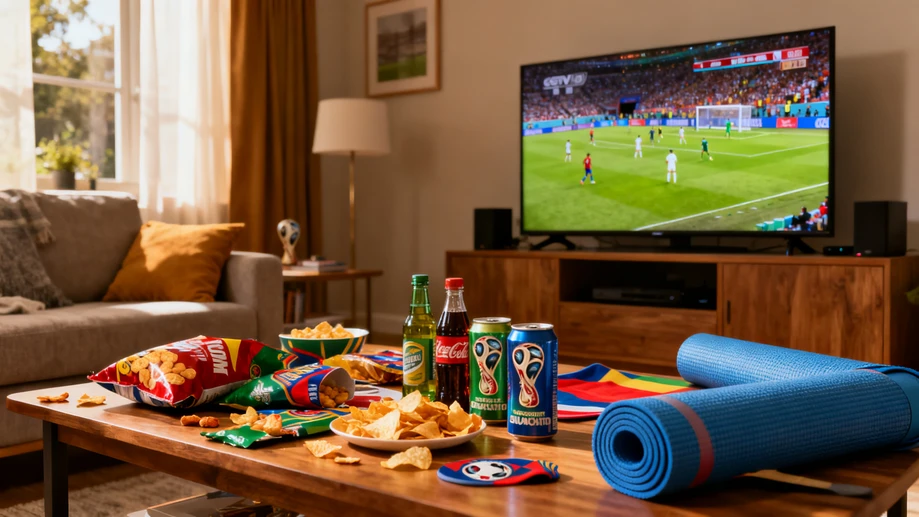
Most casual sports fans go into every major football tournament fully expecting to spend four weeks parked on the softest spot of their couch, surrounded by chips, cold drinks and piles of match day snacks, with zero intention of moving until the final whistle blows on the last game of the night. The vast majority of them end the competition period with stiff necks, sore lower backs and a vague guilty feeling that they wasted a full month of collective sporting excitement doing nothing more active than lifting a snack to their mouths. What almost no one tells you is that you do not need to rearrange your entire schedule, sign up for an expensive gym membership, or even change out of your cozy game day hoodie to turn that very same World Cup viewing streak into the starting point of a consistent long-term movement habit that sticks long after the final trophy is lifted.
The core trick that makes this system work so well is that you tie every tiny movement action you do directly to existing beats and pauses built right into every professional football match, so you never have to pause the game, miss a key play, or pull your attention away from the pitch to get a quick stretch or light exercise in. Every time the referee blows a whistle for a free kick, you can stand up next to your couch for 30 seconds to stretch out your tight hamstrings, shifting your weight from one leg to the other to release the tension that builds up after hours of sitting. Every time the broadcast cuts to a 2 minute commercial break, or the referees call for a quick VAR check to review a disputed goal, you can do a set of 8 to 10 gentle bodyweight squats, or practice slow shoulder rolls to work out the kinks that form when you hunch forward to watch a tense penalty shootout. Even the 15 minute halftime break does not need to be wasted running to the kitchen for more snacks, you can spend 10 of those minutes walking around your living space doing easy dynamic stretches, and still leave 5 full minutes to grab your food and get back to your seat before the second half kicks off.
After three to four matches of following this little pattern, your brain will start to automatically associate the familiar in-match triggers you have picked out with small, low-effort movement, which rewires the usual mental connection between watching sports and total sedentary rest almost completely. Unlike strict 30 day fitness challenges that force you to push through exhaustion and sore muscles for weeks before you see any visible payoff, this movement system rewards you immediately, because every stretch or quick set of squats you do is followed right away by more of the fun, exciting World Cup content you already planned to enjoy. There is no tedious 40 minute workout that you have to force yourself through to earn the right to watch the next match, and there is no pressure to perform the actions perfectly, even if you wobble a little during a wall sit while waiting for a VAR decision you are still getting all the same blood flow benefits of the movement.
Hundreds of casual fans who tested this method during the last major international football tournament reported that they not only avoided the usual tournament related neck and back pain, but they also walked away with a consistent daily movement habit that carried over for months after the final match finished. Many of them noticed their average daily step count jumped by 2000 to 3000 steps a day without them adding a single extra dedicated walk to their schedule, and their overall energy levels went up enough that they started choosing to take the stairs instead of the elevator, or walk to the nearby grocery store instead of driving, without even actively thinking about those small choices. Over time, the tiny 30 second movements you do scattered across a 2 hour match add up to more than 45 minutes of total light exercise per full game day, which is more than enough to meet the minimum weekly physical activity recommendations for most adults, even if you only catch two to three matches a week.
The best part of this approach is that it does not treat your love of watching World Cup matches as a barrier to fitness, it uses that existing enthusiasm as a foundation to build far better daily movement habits that fit perfectly into your normal, busy life. You do not have to carve out huge chunks of extra time for the gym, you do not have to buy expensive specialty workout gear, and you never have to make the frustrating choice between missing the biggest match of the year and sticking to your fitness goals. By the time the last match of the tournament wraps up, you will not just have a stack of great match day memories to talk about with your friends, you will also have a fully formed low pressure movement routine that you can adjust to fit your regular TV watching, work from home breaks, or weekend leisure time for the rest of the year.