Who Says You Can Only Cheer For World Cup Players On The Couch
This fun low-effort home fitness guide turns every World Cup watch session into a tiny workout session that never cuts into your game time.
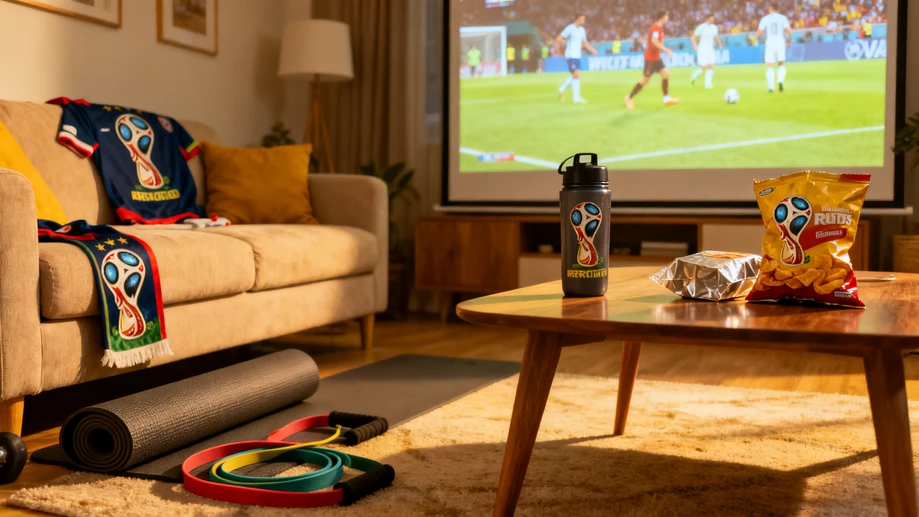
Millions of football fans around the world have built their entire recent daily schedule around the ongoing World Cup, rearranging work shifts, pre-stocking their favorite snacks, and claiming the comfiest spot on the couch hours before the first whistle blows. Most of these fans end up staying glued to their seats for the full 90 minutes of every match, plus extra time, half time analysis and post-match discussion clips, spending 4 to 6 hours each day curled up in roughly the same position. It does not take long for this routine to bring on stiff shoulders, sore lower backs, stiff hamstrings and that sluggish heavy feeling that lingers long after the final match of the day ends. Many fans even joke that they will end up carrying a few extra pounds and a permanent crick in their neck by the time the World Cup trophy is lifted, with no easy way to fix the problem while still getting to enjoy every second of the matches they have waited four years to watch.
The good news is you do not have to choose between soaking up every thrilling minute of World Cup action and keeping your body loose and active, you can weave gentle stretching and light movement straight into your existing watch party routine without ever missing a single pass or goal. Every naturally occurring pause in the match presents a perfect window to move your body for 10 to 30 seconds, and none of these movements require you to stand far away from your screen or pull your focus away from the play. When referees call for a medical pause for a player on the pitch, you can stand up slow, hook one foot behind your calf and hold a gentle quad stretch for 20 seconds on each side, releasing all the tension that builds up in your thighs when you sit still for too long. When the camera cuts to slow motion replays of an incredible goal or a brilliant save, you can roll your shoulders back 15 times and tilt your neck side to side to work out the kinks that have settled into your upper body after long hours of hunching over your snack bowl.
You can even build tiny, playful fitness challenges that tie directly to the action unfolding on the pitch, so moving your body feels like a fun extra way to show support for your favorite team rather than a tedious chore you have to force yourself to complete. Every time your chosen team makes it to the final third of the pitch and launches a rapid attacking run, you can do 10 quick little taps of your feet on the floor in place, simulating the fast pace your favorite winger is showing off as he dribbles past defenders. Every time a corner kick is called, you can reach both arms high above your head and lean slowly to each side for 10 seconds, giving your entire torso a deep stretch that relieves pressure on your lower back. If you are feeling extra enthusiastic during a penalty shootout, you can even do 5 gentle bodyweight squats as the player walks up to take the shot, so you are moving along with the tense, held breath of the whole stadium watching the moment.
These tiny, unplanned little movement bursts add up far faster than most people expect, and they make it incredibly easy to build a consistent gentle exercise habit without forcing yourself to carve out 30 to 60 minutes of dedicated gym time every single day. Over the course of a full 90 minute match, you can easily rack up 10 to 15 minutes of total active movement, which is more than enough to cancel out all the negative effects of sitting still for the full duration of the game. You will notice after just three or four days of following this little routine that you no longer wake up with a stiff back the morning after a late night match, and you do not have that foggy, sluggish feeling that stops you from being productive at work or school the next day. Many fans who tested this routine during the previous World Cup shared that they did not gain any of the usual match snack weight, and a few even managed to shed two to three pounds over the course of the full tournament without making any other changes to their diet or daily schedule.
Best of all, this tiny habit sticks around long after the final World Cup match has wrapped up, because you have already built a solid association between the fun of watching live sports and the gentle little moments of movement that feel rewarding rather than draining. You will find yourself automatically standing up for a quick stretch when a timeout is called during your favorite regular season sports match, or even during dramatic pauses in your go-to TV show, turning what started as a fun World Cup quirk into a permanent part of your daily routine. You never have to force yourself to drag your feet to a gym or spend money on fancy expensive fitness equipment, all you need is your own living room and the routine you already follow, to build a consistent, low-stress movement habit that supports your long term health without taking any joy out of the activities you already love.