Is That Ball in Your Corner Secretly a Flexibility Genius?
Unlocking the Stretching Superpowers Hiding in Your Living Room
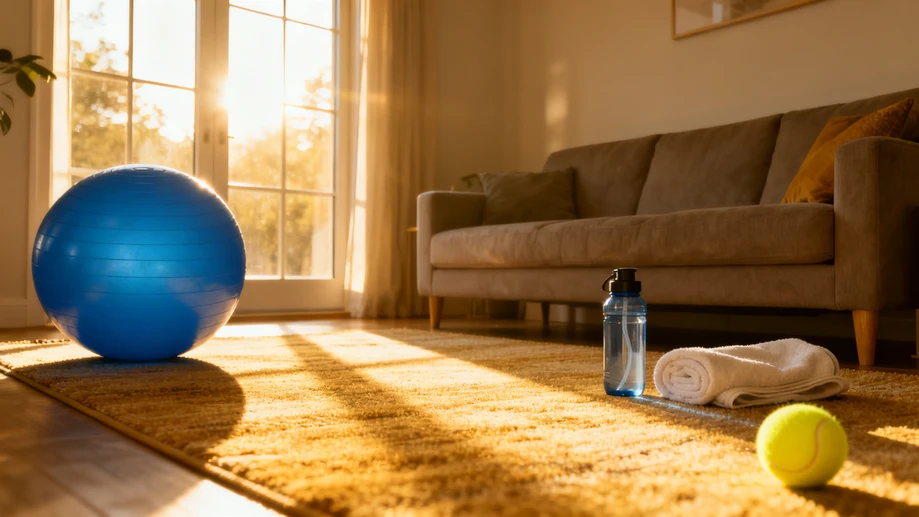
That neglected exercise ball gathering dust or the tennis ball rolling under your sofa isn't just clutter—it's an undercover flexibility coach waiting to be activated. Most of us associate balls with intense sports or playground fun, rarely realizing their transformative potential for everyday mobility right at home. Think about it: when stiff muscles strike after hours at a desk, you don't need complex equipment. The humble sphere leverages simple physics—its round shape creates unstable surfaces that force micro-adjustments in your muscles and gentle, sustained pressure that coaxes tightness to melt away. It’s biomechanical magic hiding in plain sight, turning passive downtime into active recovery without a gym trip.
Consider the mighty yoga ball. While famous for crunches, its real genius lies in passive stretching. Try lying back with it supporting your mid-back—gravity pulls your spine into a gentle extension, opening the chest and counteracting the dreaded "desk hunch." Roll slightly side to side, and it becomes a self-massage tool for your paraspinal muscles. Place your calves on the ball while lying face-up, and you’ve got a zero-effort hamstring stretch that feels like floating. Even just sitting on it while working engages your core and improves posture more dynamically than any office chair. The instability forces your body to constantly, subtly rebalance, building proprioception while you scroll through emails.
Then there’s the tennis ball—a pocket-sized miracle worker for myofascial release. Forget expensive massage guns; place one under your foot while seated and roll slowly. The targeted pressure on the plantar fascia offers instant relief for tired feet. Slide it along your glutes or upper back against a wall, pausing on tender spots ("trigger points") for 20-30 seconds. The sustained pressure tells those knotted muscles to relax, mimicking a deep-tissue massage. Use two tennis balls taped together for spinal alignment work—lie on them so they flank your spine, breathe deeply, and feel tension dissolve as the balls cradle vertebrae. It’s physical therapy on a shoestring budget.
Safety is key when playing with these spheres. Choose the right yoga ball size—when seated, your hips and knees should form 90-degree angles. Keep it partially deflated initially for stability. For trigger point work with tennis balls, start gently; pain should be "good hurt," not sharp. Never use balls on the neck or lower back without professional guidance. Set them near your TV or desk as visual cues: see the ball, stretch for two minutes. Consistency beats duration—micro-sessions scattered through your day prevent stiffness accumulation. It’s about weaving movement into life’s cracks, not carving out gym time.
Ultimately, these balls transform mundane moments into mobility opportunities. Waiting for coffee to brew? Do calf rolls on a tennis ball. On a conference call? Sit on the yoga ball and circle your hips. Watching Netflix? Lie over the ball for a thoracic stretch. The ball becomes not just a tool, but a playful prompt—a reminder that flexibility isn't reserved for contortionists. It’s a daily conversation with your body, facilitated by these simple spheres. They democratize wellness, proving that profound movement benefits fit seamlessly between the cracks of a busy life, no spandex required.