
Is Your Fishing Rod Secretly a Fitness Coach?
How casting lines builds muscle memory and transforms lazy weekends into active rituals
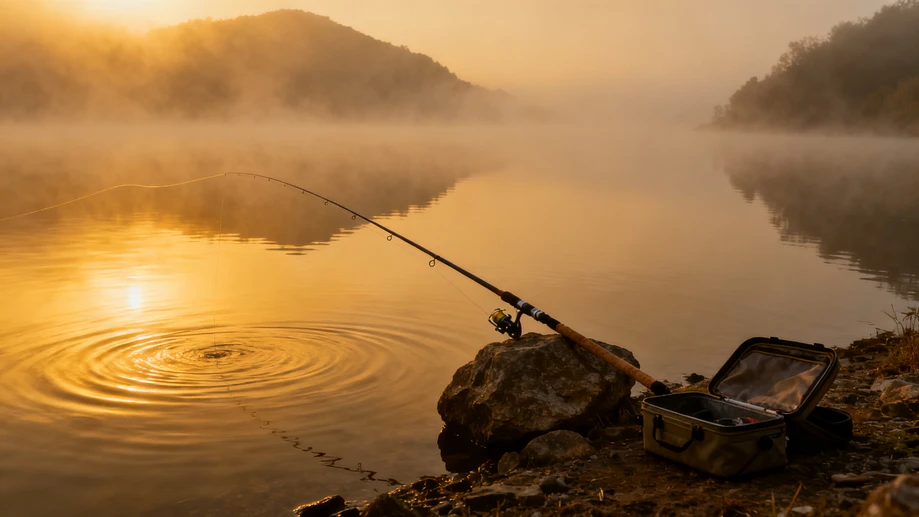
Picture this: you're knee-deep in morning mist, the lake's surface mirror-still except for your bobber's gentle ripple. Most see fishing as the ultimate sedentary pastime – a valid excuse to park on a cooler for hours. But what if those repetitive casting motions and patient waits held the blueprint for building lasting fitness habits? The rhythmic dance of rod and reel engages muscles we rarely notice. Each overhead cast activates deltoids and triceps, while the controlled retrieve works forearms like a stealth gym session. It's not about breaking sweat; it's about weaving micro-movements into something enjoyable. Suddenly, that "lazy hobby" becomes a Trojan horse for physical activity.
Consider the stretch potential hidden between bites. Those inevitable lulls become perfect windows for mobility work. Stand up between casts to perform torso twists – mimicking the motion of scanning the water. Use your rod as an impromptu prop for shoulder rotations, tracing wide circles through the air. When re-baiting hooks, drop into a deep squat instead of bending over. These natural pauses transform into dynamic stretching opportunities, reinforcing flexibility without disrupting the zen of fishing. The water's edge becomes an open-air studio where fitness sneaks into downtime.
The magic lies in ritualization. Unlike daunting gym commitments, fishing creates automatic movement patterns. Repeating the cast-retrieve sequence dozens of times per session builds muscle memory through sheer repetition. Over weeks, your body anticipates the motion: feet positioning themselves instinctively, core engaging automatically during the swing. This neurological wiring makes physical activity feel effortless, turning what could be exercise into pure habit. The reward? A tug on the line becomes nature's high-five for consistency.
Families unknowingly leverage this phenomenon during weekend trips. Kids practicing their casting form develop rotational strength while parents hauling gear build functional fitness. One clan I know replaced their Saturday cartoons with shore expeditions. Within months, their teenage son – who previously groaned at push-ups – could effortlessly launch lures 50 yards. His sister discovered balance poses on rocky outcrops while waiting for catches. Their secret? They weren't "exercising"; they were adventuring. The fitness came baked into the fun.
Ultimately, fishing's superpower is distraction. While focused on ripples or fly patterns, you accumulate movement without mental resistance. The satisfaction of landing a fish creates positive reinforcement loops stronger than any gym motivation poster. As seasons pass, these micro-workouts compound into real strength gains and improved mobility. That rod becomes more than a tool; it's a habit architect disguised as leisure equipment. So next time someone calls fishing lazy, just smile. Your shoulders know the truth.