
Can Your Camping Trip Double as a Secret Fitness Bootcamp?
Unlock nature's gym with pinecone workouts and tree trunk yoga
Picture this: You're surrounded by towering pines, the campfire crackles, and marshmallows toast to perfection. But what if your camping adventure could also sculpt your muscles and boost flexibility? Forget expensive gym memberships – the wilderness offers the ultimate fitness playground. When you ditch the treadmill for terrain, every rock becomes a weight and every trail transforms into a cardio course. The best part? Your brain registers it as playtime, not exercise. This neurological trick makes consistency effortless, turning sporadic workouts into lifelong habits. Nature’s uneven surfaces engage stabilizer muscles that flat gym floors ignore, while fresh air amplifies energy levels. Suddenly, that hike to the waterfall isn’t just scenic – it’s a full-body resistance session.
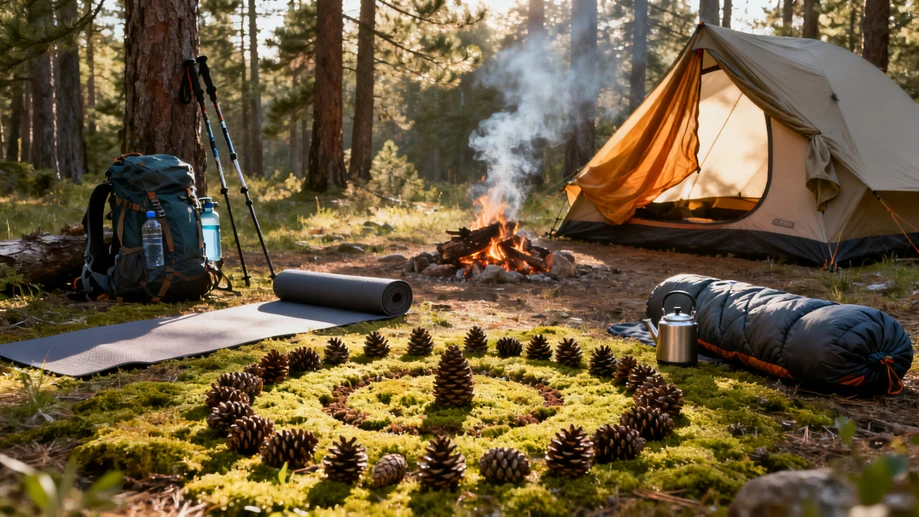
Transform your campsite into an obstacle course with zero equipment. Fallen logs? Instant balance beams for calf raises and single-leg stands. Boulder fields? Perfect for lateral hops and plyometric drills. Even tent pitching becomes a functional fitness drill – squat while hammering stakes, lunge when reaching for guylines. For strength training, fill your backpack with water bottles for makeshift weights: overhead presses during sunrise, bent-over rows by the lake. Pinecones serve as lightweight tools for rotational throws that fire up your core. These micro-workouts accumulate throughout the day, burning calories while you soak in views. Bonus: Natural movement patterns prevent workout boredom, the #1 reason people abandon routines.
Stretching gains magical benefits outdoors. Morning sunlight triggers serotonin production, making yoga poses feel euphoric against a forest backdrop. Use tree trunks for supported stretches – press your palms against bark for a standing chest opener, or loop a towel on branches for assisted hamstring releases. The earth’s natural cushioning reduces joint impact during floor exercises like spine-twists on your sleeping pad. Cool evenings are ideal for mobility sequences: practice bear crawls across mossy clearings or downward dogs beside your tent. This "green exercise" phenomenon, studied at universities like Essex, proves natural environments lower stress hormones 15% faster than indoor workouts. Your muscles unwind deeper when birdsong replaces gym playlists.
Turn fitness into family games that build lasting habits. Organize a "nature ninja" challenge: race to collect ten acorns using only crab walks. Have balance duels on logs – last one standing wins first s'more. For cardio, play "camo tag" where hiders must freeze in yoga poses when spotted. These activities build coordination and laughter, masking exercise as play. Consistency blooms because kids beg to repeat "camp training" – no nagging required. Document progress creatively: stack smooth stones to represent each workout completed, creating a visual milestone cairn. By linking movement to adventure, you wire brains to crave activity. Post-trip, families often report spontaneously continuing backyard "obstacle courses" at home.
Your gear secretly supports fitness goals. That camp chair? Flip it for triceps dips. Use trekking poles for Nordic walking – it burns 20% more calories than regular strolling. Sleeping bags become resistance tools for leg lifts and Russian twists. Even mealtime fuels habit formation: cooking over fire engages core stability as you balance pots, while chopping wood builds grip strength. The key is reframing chores as fitness opportunities. Studies show it takes 21 days to cement habits, and a week-long camping trip delivers concentrated practice. Returning home, your brain associates everyday objects with movement – turning staircases into "mountain climbs" and grocery bags into "farmer carries." Nature’s gym leaves no trace except stronger bodies and ingrained healthy rituals.