
Do You Know The World Cup Holds Countless Hidden Fun Facts Most Casual Fans Have Never Heard Of
This lighthearted popular science piece sorts out the most underrated, little-known interesting details of the most influential global football tournament in accessible, playful tone.
Many first-time World Cup viewers walk into the tournament expecting to watch 90 full minutes of nonstop high intensity play, but they are usually shocked to find that the actual effective playing time, or what referees call “live ball time”, is far shorter than they assumed. According to official statistics from the 2022 Qatar World Cup, the average live ball time for all 64 matches is only around 62 minutes, meaning more than 30 minutes of the regular 90 minute window is occupied by all sorts of unexpected interruptions. These interruptions include players pausing to adjust their boots, medical staff entering the field to treat minor injuries, referees checking VAR footage for offside or handball calls, teams making substitutions, and players walking slowly to retrieve stray balls that roll far outside the touchline. The extra stoppage time added at the end of each half is not a random number pulled out of referees’ imagination either: dedicated off-field timekeepers track every single second of those interruptions throughout the half, and some high-stakes matches with multiple long delays have seen as much as 14 minutes of stoppage time added at the end of the second half, leading to dramatic last minute comebacks that surprise even the most dedicated long-time fans.
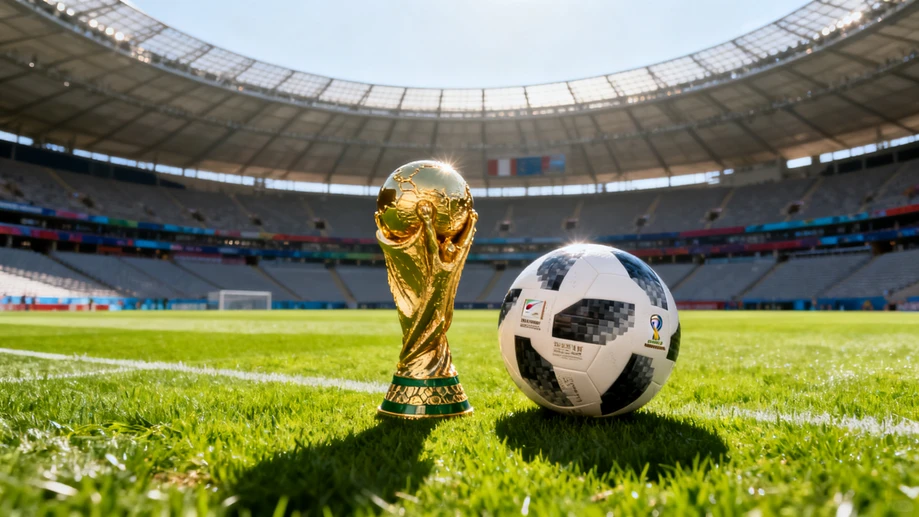
The iconic golden World Cup trophy that players lift to celebrate a championship win is also far less straightforward than most people think. The solid gold original trophy, officially named the FIFA World Cup Trophy, never leaves its permanent display spot at FIFA’s headquarters in Zurich, Switzerland for any reason. The trophy that the winning team holds and lifts on the award ceremony stage is only a gold-plated replica, and every four years after the tournament ends, the official engraver adds the full name of the new champion team and the year of the tournament on the narrow blank space at the bottom of the original trophy. There are only enough blank slots on the base to hold the names of tournaments up to 2038, which means FIFA will have to design a brand new successor trophy to replace the current one before that tournament kicks off. Long before the current trophy was adopted, the original Jules Rimet Trophy that had been used for decades was once stolen from its display location in Brazil in 1983, and it was never recovered despite years of investigation, with most historical records suggesting the thief melted the solid gold trophy into unmarked gold bars to avoid being traced.
Some of the most absurd and charming records in World Cup history come from the earliest decades of the tournament, when global travel was far less convenient and most national teams did not have full professional rosters. Back in 1938, the Cuban national team that qualified for the World Cup did not have any professional players at all, they spent months fundraising to afford ship tickets, and spent more than two weeks sailing across the Atlantic Ocean to reach the host country France. They tied their first round match against a much stronger European team in regular time, won the rematch a few days later, and almost pushed the eventual finalist team to the edge of elimination in the next round. Other weird records include the fastest own goal in World Cup history, which was scored only 11 seconds after the opening whistle of a 2002 group stage match. Millions of global viewers who were still waiting for their broadcast pre-game commentary segment to end completely missed the historic moment, with many asking online later when the match had even started.
Even the seemingly ordinary supporting facilities around the matches have plenty of clever, little known design details tailored exclusively for the World Cup. Each edition of the official match ball comes with multiple exclusive upgrades that are not found on regular retail footballs. The match ball used in 2022 Qatar World Cup was the fastest flying official World Cup ball to date, with built-in motion sensors that send 500 different location data points per second to referees and VAR stations, helping cut down the time spent on checking marginal offside calls by more than 30 percent. The grass used on every World Cup stadium pitch is also a custom hybrid strain carefully cultivated over years, with extremely high tear resistance, which can withstand 70 full matches of professional high intensity running and sliding without developing large worn patches or loose turf pieces that could trip running players. Most local domestic league clubs cannot afford the high maintenance cost of this special grass, so many of them replace their regular grass with this special World Cup grade turf only for the few biggest domestic matches of each season.
Over nearly 100 years of development, the World Cup has also formed lots of charming small traditions that have nothing to do with the final score of matches. There is a small group of long time dedicated fans who travel to every single World Cup tournament no matter where the host country is located, and statistics show that the accumulated flight miles of some of these veteran fans add up to more than 10 full trips around the Earth. Most host countries also build huge fan festival areas outside the main stadium clusters, which have giant outdoor LED screens, free public seating, and public entertainment zones, so that fans who cannot afford or get tickets for the matches can still gather with tens of thousands of other football lovers to cheer for their favorite teams together, and many casual first time viewers say the fun they get from the fan festival is often even more memorable than watching a match from a regular stadium seat.