
Who Knew the FIFA World Cup Hides So Many Wild Little Secrets Fans Rarely Notice
Dive into the lesser known fun facts, weird records and hidden logic behind the world's most watched sports tournament that never fails to surprise casual viewers and diehard fans alike.
The FIFA World Cup stands far above all other single-sport global events in terms of public influence, and official data shows that the cumulative global broadcast reach of every full tournament can exceed 3.5 billion views, with the final match alone pulling a peak viewership higher than the sum of all top tier league championship games in that same four-year cycle. During match days, the surge in traffic generated by streaming platforms, social media discussion and e-commerce sales of related merchandise can take up nearly 1% of the entire global public internet bandwidth, temporarily pushing up data transmission latency for ordinary users across dozens of countries. The huge amount of custom official merchandise released for each tournament circulates across more than 180 regions around the world, with total market value exceeding 20 billion dollars in the most recent 2022 event.
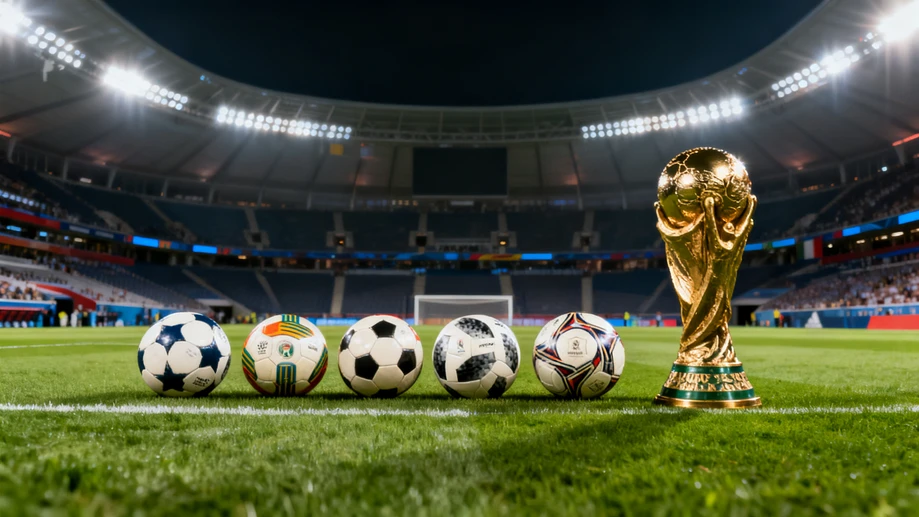
Hidden among decades of archived tournament records are plenty of absurd and impressive stats that feel too funny to be true. Records show one single top tier match in the 1980s handed out 11 red cards in total, breaking the all time record for any formal professional soccer competition worldwide. The tournament match balls have gone through more than 20 versions of iteration from the earliest leather shell stuffed with pig bladder in the 1930s, to the latest aerodynamically optimized design adjusted with hundreds of hours of wind tunnel testing, with surface patterns calibrated to cut air resistance by over 12% compared to ordinary regular soccer balls. The farthest goal ever recorded in World Cup history was struck from 92 meters away from the opposite goal line, with a peak ball speed reaching 122 kilometers per hour, fast enough to outpace the top speed of a suburban city electric scooter.
Many long-standing odd rules of the tournament are barely known by the majority of people who only watch the event once every four years. The host nation automatically earns a direct spot in the group stage, a rule that has existed for nearly 90 years before minor adjustments were made in the early 2000s. If two teams finish all group stage matches with exact same points, exact same goal difference and exact same number of scored goals, the final ranking will be decided by the fair play score, which is calculated by subtracting points according to the number of yellow cards and red cards a team collected across all matches, meaning fewer fouls will bring a higher ranking priority even if all other data are completely equal. All official mascots released for each tournament go through more than 20 rounds of safety and durability tests before mass production, to make sure the figurines and plush versions can stand at least 1000 times of squeeze and drop without breaking.
Little known behind-the-scenes details also add huge charm to this global sports event. Every pitch used for official World Cup matches undergoes at least three rounds of special pressure tests before the tournament kicks off, to guarantee the grass turf can remain completely flat and meet competition standards after 10 consecutive days of 12-hour high intensity use. The dedicated private network deployed for each World Cup is 30 times wider than the network used for ordinary large scale music concerts, supporting simultaneous transmission of more than 40 different high definition camera signals to over 200 regions across the planet. The base of the iconic World Cup trophy has reserved engraved space for all champion team names up to the year 2038, and the event organizing committee has already drafted a expansion plan to add new storage space on the base for all future champions after that point, making sure all historic winning records can be permanently kept on the trophy itself.