
Can You Believe These Wacky Hidden Facts Have Always Existed in World Cup History
This fun casual science share breaks down lesser-known interesting details of the top global football tournament that most viewers never notice in their daily viewing.
The very first World Cup tournament held back in 1930 did not have any of the modern convenience that fans take for granted today. Organizers in Uruguay had to send formal invitation letters to all qualified national teams three full years in advance, as most European teams could not find any affordable airline routes across the Atlantic at that time. A total of 13 participating teams took steam ships that sailed for more than two weeks to reach the host country, and they even brought their own match balls, training uniforms and medical supplies in their luggage, since no professional event supply chain existed to support their arrival. The final match between the two top teams even used two different official balls, with one side getting to pick their preferred ball for the first half, and the host side choosing their own familiar ball for the second half, a rule that no later World Cup would ever use again.
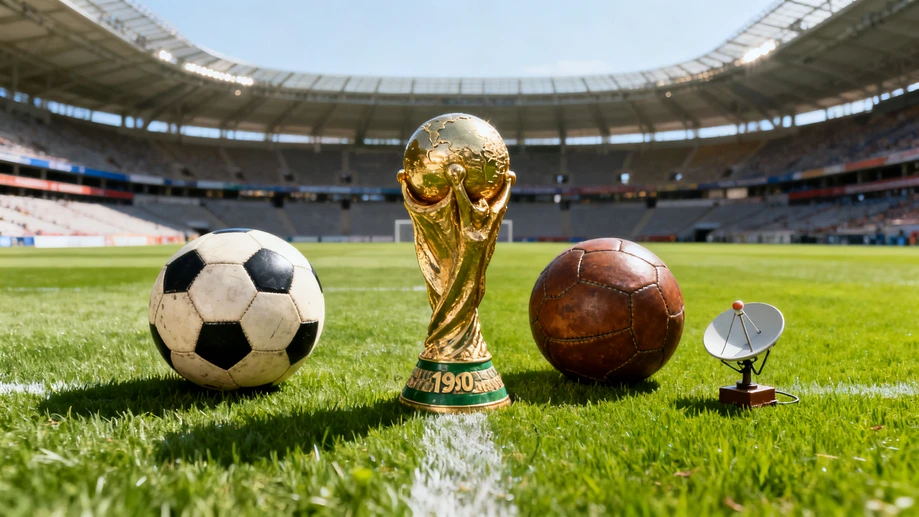
The iconic World Cup trophy that teams chase today is far less heavy and luxurious than most casual fans assume. The current version of the trophy first used in 1974 is made of 18 karat solid gold, but its inner core is completely hollow, so it only weighs around 6.17 kilograms, light enough for a regular adult to lift over their head with one hand. Before this trophy was created, the earlier Jules Rimet Trophy was designed to be given permanently to the first team that won three World Cup titles, which one strong football nation achieved in 1970, but the old trophy was stolen from a display case in 1983, and it is widely believed that the thieves melted the entire gold trophy down for raw material, leaving no trace of the original design. No current participating team can get permanent ownership of the modern trophy, and all winning teams only get a full size replica of the trophy made of gilded silver to keep forever.
Many small design details that we see as standard today were actually invented on a trial basis for specific World Cup events, and stayed on because they worked surprisingly well. The iconic 32-panel black and white football that almost every football fan can recognize at first glance was first launched for the 1970 Mexico World Cup, as global TV broadcasts were still mostly transmitted in black and white at that time. The old style plain brown or all-white football would blend completely into the grass background on old TV screens, making it impossible for viewers at home to track the ball movement clearly. The designers added 20 white hexagons and 12 black pentagons to the surface, so the ball could stand out perfectly on every screen, and this design quickly became the mainstream standard for all football events around the world over the next decades.
The viewership scale of the World Cup far surpasses any other single sports event on the entire planet. The 2022 Qatar World Cup recorded more than 5 billion cumulative watch times across all broadcast platforms, covering more than 220 different regions around the world. Even remote research outposts located on the Antarctic continent installed dedicated satellite receivers on their roof to catch the live broadcast of the final match. The tournament’s influence can even be seen in small daily details, as sales of soft drinks, snack foods and household large screen displays all rise by over 30 percent during every World Cup month in most participating countries, a consumption pattern that no other entertainment event can match.
Even the little side traditions of the World Cup carry plenty of fun hidden stories. The official match mascot for each tournament has ranged from a bright cartoon orange in 1982 to a fluffy desert animal in 2022, all designed to reflect the local cultural features of the host country. There has never been a single identical mascot design across all 22 World Cup events held so far, and every official mascot has its own unique small story built for the event’s promotion activities. Even the official match soundtracks for different World Cups carry their own distinct style marks, making a lot of fans able to tell which World Cup a classic background track belongs to just by hearing a few notes.