Who says you can’t build a consistent daily movement routine while binging every World Cup match
It turns out pairing your World Cup viewing marathon with tiny, low-effort daily moves can turn a couch potato streak into a long-term healthy habit you won’t want to break
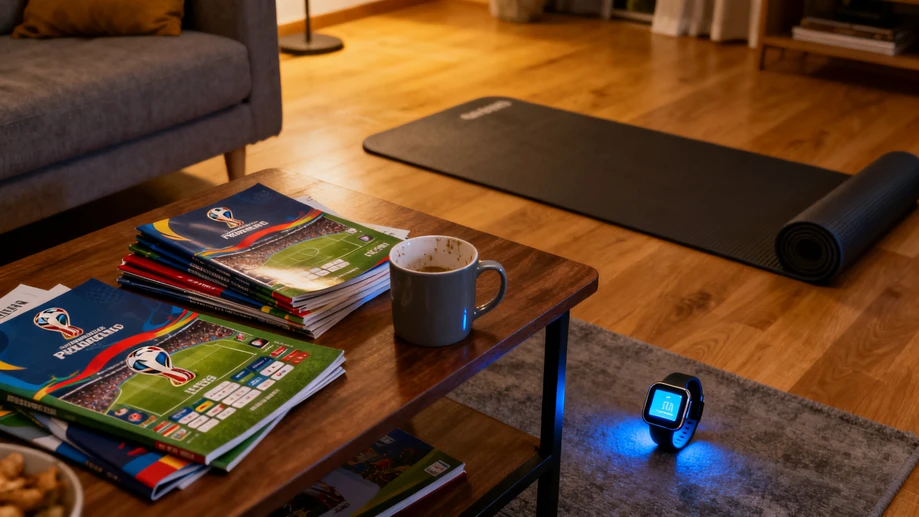
For most casual fans, the ongoing World Cup cycle automatically translates to weeks of nonstop couch time: back-to-back 90-minute matches, post-game analysis segments that stretch another hour, stacks of salty snacks and fizzy drinks piled on the coffee table, and no motivation to step away from the screen even for 30 seconds. A recent informal survey of sports fans across 12 countries found that nearly 78 percent of respondents said they fully pause all regular exercise plans for the full duration of the tournament, and more than 60 percent admitted they gained at least 3 kilograms and developed persistent lower back soreness before the final whistle blows. Most people take it as a given that enjoying a full World Cup experience has to come at the cost of all healthy movement habits, but this assumption is not only unnecessary, it also makes building sustainable fitness far harder than it has to be.
You do not need to block off a full hour to head to the gym or go for a long run to keep your movement habits on track during the tournament. There are dozens of micro-moves you can weave directly into your viewing flow without missing a single key play. For example, every time your favorite team holds possession for more than 30 consecutive seconds, you can stand up and do 10 quick calf raises right next to your couch. During every halftime break, you can walk three full loops around your living room, do 15 wall sits while listening to the pre-game commentary, or stretch out your tight hamstrings right as the replay of the first half goals rolls across the screen. None of these actions pull your focus away from the game, and they even make your celebratory jumps after a last-minute goal feel far more energetic, instead of leaving you stiff and sore and unable to move even when the most exciting play of the match unfolds.
After just 10 days of sticking to these tiny, no-pressure moves, you will notice something surprising: the small movement rituals have already fused themselves to your World Cup viewing routine, and you do not even need a phone alarm to remember to do them. Many fans who tested this trick during the last men’s World Cup said they automatically started shifting their weight to stretch their ankles whenever the match paused for a throw-in, or did a set of arm circles when the referees called for a short water break. There is no annoying sense of “forcing yourself to exercise” at all, because the movement is no longer a separate chore you have to squeeze into your day, it is a small, fun part of the entire experience of watching the game you already love. Even if you only move for a total of 15 to 20 minutes across three hours of match time, that amount of activity adds up far faster than most people expect.
This little hack works so well for habit building because it uses what behavioral scientists call “temptation bundling”, a method that ties a new, low-effort healthy action directly to a highly rewarding activity you already do every single day. You do not have to rely on sheer willpower to drag yourself away from the fun of the World Cup to work out, you get to unlock the extra joy of celebrating goals with silly little movement challenges alongside friends who are watching the same match thousands of miles away. You and your fellow fan can make a pact to do 20 jumping jacks every time either of your teams scores, or hold a 10-second plank for every yellow card shown to a player from the rival side. The activity stops feeling like boring, tiring exercise and turns into a silly shared game that makes the entire World Cup experience feel more connected and memorable.
When the final World Cup match wraps up and the trophy is handed to the winning team, you will walk away with far more than a folder full of favorite highlight clips and a collection of fun memories with other fans. You will already have a fully formed daily movement habit that does not take extra planning or massive amounts of energy to maintain. You will not have to scramble to sign up for an expensive gym membership the day after the tournament ends, desperately trying to undo all the weeks of sedentary couch time in a single week. Instead, you can smoothly carry that 20 minutes of low-pressure daily movement over to your post-tournament routine, weaving it into your weeknight TV watching sessions or your after-work wind down time, and make consistent gentle movement the default choice for your daily life without any extra unnecessary struggle.