Stop Skipping Half-Time Breaks And Build A Solid At-Home Fitness Routine While You Watch World Cup Games
This casual fun guide shares zero-cost, low-effort moves you can integrate into your World Cup viewing schedule to form long-lasting gentle exercise habits without disrupting your game-watching fun
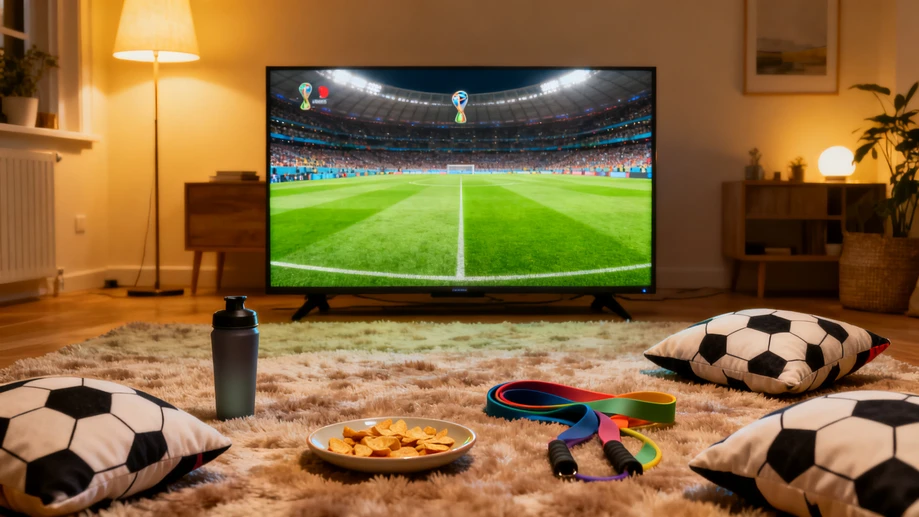
For most casual World Cup fans, the tournament marks a full month of rearranging daily routines to catch every kick, pass and last-minute goal, with couch sessions that stretch for hours, stacked with frozen drinks, salty snacks and zero movement outside of reaching for the remote or grabbing another handful of chips. By the time the final whistle blows for a big match, stiff shoulders, cramped leg muscles and a heavy, sluggish feeling in the whole body have become the standard post-watching state for nearly every viewer, and most people brush off this discomfort as a small cost for enjoying the world’s biggest sporting event. What almost no one realizes is that those 15-minute half-time breaks, usually wasted scrolling through social media or arguing about the first half’s controversial calls, are the perfect unoccupied window to sneak in tiny, painless fitness moves that do not require you to change into workout clothes, drag out heavy gym gear, or pause any of the match-related fun you have been looking forward to all day.
The best part of this hack is that every single move you can pick up to pair with your World Cup viewing requires no prior fitness experience, and none of them will leave you sweating through your shirt or missing any key play highlights when the second half kicks off. Simple seated ankle rotations, slow leg lifts held for three seconds each, gentle shoulder rolls and slow side stretches that you can do while sitting on your couch all count toward the weekly physical activity recommendation released by global public health bodies, and even 10 minutes of consistent movement during every half-time break will add up to more than 4 hours of low-impact exercise over the course of a full World Cup tournament, enough to cancel out nearly all the negative physical effects brought by hours of uninterrupted sitting. You do not have to push yourself to break personal records or feel exhausted halfway through the half time, and you can even keep your favorite drink next to you to take sips between sets of moves so you never lose that relaxed, laidback vibe that makes watching the match at home so much more enjoyable than packing into a crowded public viewing spot.
One of the most underrated advantages of tying your new fitness routine to World Cup viewing moments is that you never have to force yourself to summon willpower to work out, the exact thing that makes most regular home fitness plans collapse within the first three days. Instead of setting rigid alarms that you will hit snooze on every single time, you can tie each small movement you want to develop to a specific, recurring moment in the match itself, so you build a natural unconscious habit without even trying. For example, you can program yourself to do 10 slow standing calf raises every time a corner kick is awarded, or finish a full set of upper body stretches every time the match cuts to a replay of a saved shot, or roll your shoulders in slow circles every time the commentators go on a tangent about team strategies from decades prior. After three matches, these actions will feel as natural as grabbing a snack when you sit down in front of the TV, and you will no longer see exercise as a chore you have to force yourself to complete after a long busy day.
Many people who have tried this tiny habit trick ahead of recent major sporting events find that the benefits last far longer than the four weeks of the tournament itself, even after the final trophy has been handed out. After building the connection between watching your favorite sporting events and moving your body for a few minutes every break, you will find yourself naturally reaching for a quick stretch or a small set of leg lifts even when you are watching regular TV shows, scrolling through short-form content on your couch after work, or sitting through long online meetings that stretch far past their scheduled end time. The minor muscle tension that used to settle in your lower back and neck after days of back-to-back desk work will fade away steadily, and you will not face the common post-tournament slump where all the casual good fitness intentions you had at the start of the event disappear completely the second the final match wraps up.
You do not need to make any grand, life-altering changes to your daily routine to reap these benefits, either, and there is zero pressure to hit any arbitrary fitness milestones while you are enjoying the matches. Some viewers add a tiny 10-second plank to their half time routine after they get comfortable with the basic stretches, others stick to nothing but slow seated moves for the whole tournament, and both approaches deliver exactly the same positive long term effect on your general mobility and overall physical comfort. What started as a fun little side activity tied to one of the biggest global sporting events of the year will slowly turn into a permanent, low-effort movement habit that you will carry with you through every other major tournament, weekend movie marathon, and long work week for years to come, no expensive gym membership, no fancy home workout equipment, and no draining hours spent in a crowded fitness center required.