Why Not Turn Your World Cup Viewing Sessions Into A No-equipment Home Fitness Routine
This quirky, science-backed guide helps you stay active without pausing your favorite matches at all during the ongoing World Cup season.
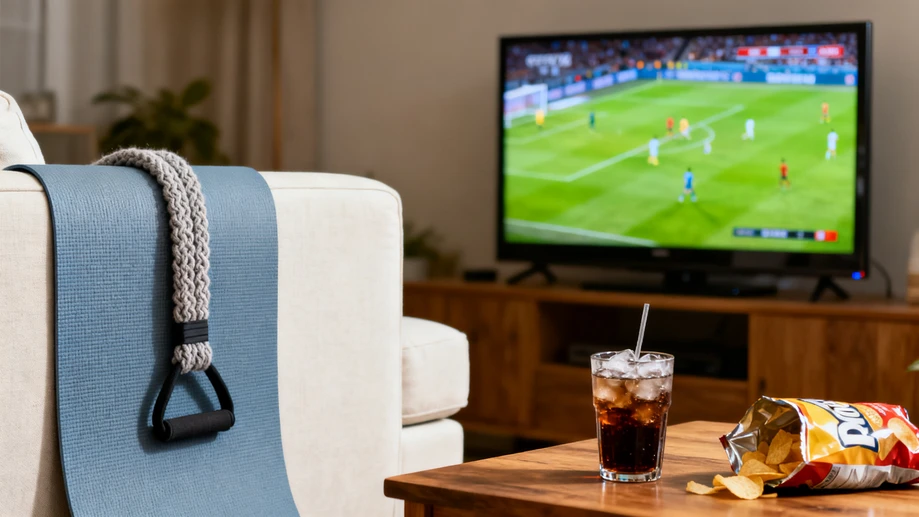
For most casual and diehard football fans alike, the peak World Cup season usually means weeks of rearranged work schedules, stacks of frozen chicken wings and cold craft soda stacked on the coffee table, and hours of uninterrupted time glued to the TV screen to follow every kick, pass and dramatic last-minute goal. A recent consumer wellness survey found that the average fan gains between 3 and 5 pounds over the course of a full 28-day World Cup tournament, with most of that excess weight coming from combined excess high-calorie snack intake and hours of continuous sedentary sitting that cuts off blood flow to the lower body and strains the upper back and neck. It is extremely common to hear people complain about stiff necks, sore lower backs and swollen ankles after watching three or four full matches back to back on a weekend, even if they never step out the front door the entire day. Most people end up promising themselves they will hit the gym extra hard the second the tournament wraps up to make up for all the unhealthy habits they picked up during the matches, only to burn out and abandon that fitness plan within three days of the final match ending.
The good news is you do not have to choose between fully enjoying every second of the World Cup matches and keeping up with your basic health and movement goals, since you can tie tiny, low-effort workouts directly to the natural breaks and peak moments that already exist in every single football match. You do not need any dumbbells, yoga blocks, gym memberships or extra space to make this system work, since all the moves we are talking about fit perfectly within a standard 3 by 3 foot space in front of your sofa. For the five minutes before every single match kicks off, you can squeeze in three sets of wall sits that last for 45 seconds each, paired with slow shoulder rolls to release the tension that has built up in your upper body since you sat down for the previous match. During the 15 minute halftime break, instead of scrolling through social media feeds to read hot takes on the first half performance, you can walk around your living room a few times while doing slow hamstring stretches, or practice gentle neck tilts to counteract the hours you spent craning to see the far end of the pitch on your TV screen.
To make the habit even easier to stick to, you can link specific, common in-match events to specific simple movement tasks, so you do not even have to remember to stick to a separate workout schedule that exists outside of the match itself. For every stunning long-range goal you see on screen, you reward yourself with 10 slow, controlled bodyweight squats that you can do right next to your sofa without even taking your eyes off the TV screen. Every time a referee holds up a yellow card, you complete three side body stretches on each side to open up your tight obliques. Every time a goalkeeper pulls off a spectacular diving save, you drop down to hold a 20-second plank position. Every time you see a player pull off a clever stepover move to get past a defender, you mimic that quick footwork with small fast steps on the spot to get your heart rate up a little bit. This system works so well because you are using the random, exciting moments of the match as your natural reminder to move, instead of forcing yourself to follow a rigid, boring workout plan that takes away from the fun of watching the games.
Many fans who have tested this exact routine during previous major international football tournaments have reported that they did not even feel like they were working out at all as they moved through the entire tournament period. The tiny, scattered bursts of movement add up to more than 7 full hours of light to moderate physical activity over the course of 28 days of World Cup matches, which is far more than the amount of activity most people manage to squeeze in during their regular non-tournament daily lives. You will notice that you do not have the usual stiff neck after a full day of matches, your legs will feel energized instead of heavy and swollen after sitting for hours, and you will never have to feel guilty for grabbing an extra slice of pizza or an extra beer during the watch party because you already burned enough extra calories to offset those little treats. Many people even find that their overall core strength and casual football performance improves a little bit by the end of the tournament, so they can join in the casual weekend kickabout with their friends without gasping for air after five minutes of running around.
At the end of the World Cup, you will not be left with a long list of bad lifestyle habits to fix, or a bunch of extra weight to shed with painful restrictive diets. Instead, you will have built a tiny, sustainable movement habit that you can carry over to your normal daily routine long after the final trophy has been lifted. You can continue to link small movement breaks to other daily routine triggers like the commercial breaks of your favorite TV shows, or the five minute wait time for your dinner to finish cooking in the oven. What starts out as a fun little hack to make World Cup viewing healthier ends up turning into a long term gentle movement habit that improves your overall quality of life without requiring you to put in huge amounts of effort or make massive unwelcome changes to the way you spend your free time.