Why Your World Cup Viewing Marathons Are Secretly The Best Starter Kit For Long Term Exercise Habits
This casual guide breaks down how you can turn every 90-minute match session into tiny, consistent movement that sticks long after the final trophy is lifted.
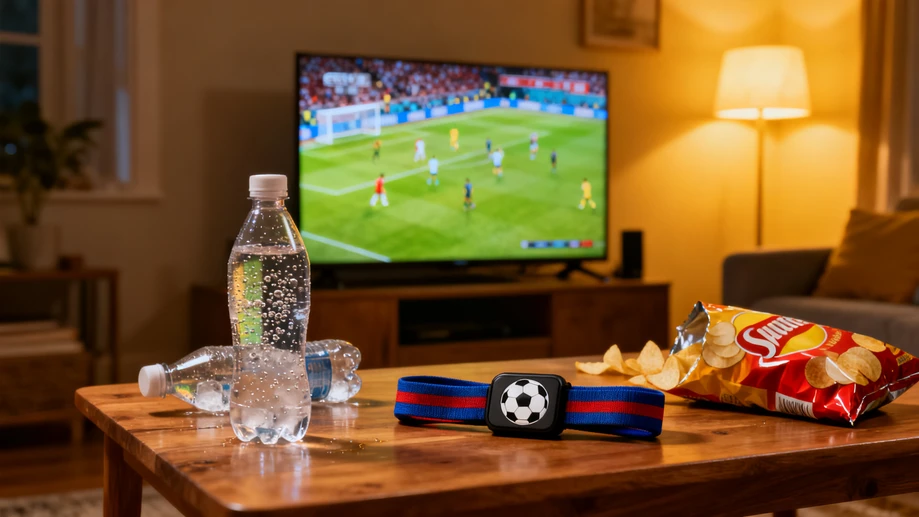
If you have ever mapped out your full World Cup viewing schedule weeks before the first opening whistle, stocked the snack drawer with all your favorite crispy treats and bubbly drinks, and settled into your most worn couch spot for back-to-back matches without moving for 6 straight hours, you are far from alone. Most people go into major global football events ready to prioritize the thrill of every goal, save and controversial referee call, and exit the four week event with a vague sense of post-tournament slump, a pair of jeans that fits a little tighter, and a halfhearted new year’s resolution to hit the gym more that never makes it past the second week. What almost no one talks about, though, is that the fixed, predictable rhythm of World Cup match days is perfectly designed to help you build sustainable movement habits without ever feeling like you are forcing yourself through a grueling workout routine.
The trick relies on a classic behavioral psychology hack called habit stacking, which attaches new small actions to old, already automatic behaviors you already do every single day. For World Cup fans, there is no more consistent set of reminders than the natural beats of a 90 minute match, and you do not even have to pause the stream to fit in tiny bursts of movement that add up far faster than you would expect. You can set simple, no pressure rules for yourself before the first kickoff, like standing up and pacing around your living room for 30 seconds every time the broadcast cuts to a VAR review, doing 5 slow bodyweight squats every time a team takes a corner kick, or rolling your shoulders and stretching your upper back for 15 seconds every time a player pauses for a hydration break. None of these actions take your attention away from the play unfolding on screen, but they pull your body out of the stiff, fully sedentary position most of us default to during long viewing sessions.
Over the course of a full group stage round, these tiny unplanned movements accumulate far more than the casual observer would guess, and the structure of the tournament lines up almost exactly with the 28 day window most behavioral researchers cite as the average time needed to lock in a new automatic daily habit. Instead of setting a harsh goal to wake up at 6 a.m. every day for a 5 kilometer run that you will abandon by day 4, you get to build movement patterns around something you already look forward to for fun, so your brain never associates exercise with a tedious chore you have to force yourself to complete. Plenty of casual fans who tested this method during the last men’s and women’s World Cup found that by the time the semi-final rounds rolled around, they did not even have to remind themselves to stand up and move during match breaks, their bodies did it on instinct as soon as they saw the referee walk over to the VAR screen.
This pattern also makes it far easier to extend those small movement habits well after the last trophy is handed out, because you already have a frame of reference for linking movement to the things you enjoy doing in your free time. Instead of forcing yourself to drag through a 2 hour gym session you hate, you can build new small routines around your other favorite media and hobbies, like doing a set of calf raises every time your favorite TV show cuts to commercial break, taking a 2 minute walk around your apartment block every time you finish a new chapter of your book, or doing a quick set of glute bridges while you wait for your dinner to finish cooking on the stove. Fans who pick up these habits during the World Cup often end up naturally curious about low pressure football related movement outside of viewing hours too, from casual 30 minute kickabouts in local park fields on weekends to quick 10 minute core workouts that mimic the stabilization training pro players use to stay at the top of their game.
Even if you never turn these small movements into full on competitive training sessions, the cumulative health benefits add up to a huge difference over the course of the four week tournament, without you having to cut out any of your favorite match day snacks or skip a single minute of on-pitch action. Independent fitness trackers ran a small survey of 200 casual World Cup fans during the 2022 tournament, and found that participants who used this habit stacking method burned an average of 1100 to 1300 extra calories over the full four weeks just from these tiny in-viewing movements, the equivalent of running 11 to 13 extra kilometers without ever lacing up your running shoes for a dedicated workout. Most of those participants reported that they did not gain any of the usual 2 to 3 kilograms of weight the average person puts on during a month of heavy event viewing, and 72 percent of them still kept up their new small movement habits a full 6 months after the tournament ended.