Did You Know Watching World Cup Matches Can Help You Build A Consistent Daily Stretching Routine Without Extra Effort
This fun science-backed breakdown reveals how small, casual stretches done during live match breaks can eliminate post-viewing soreness and build long-term low-effort movement habits for every at-home football fan
For most casual and diehard football fans alike, the current World Cup run is a month-long stretch of back-to-back late nights, comfortable couch huddles, stacks of favorite snacks and nonstop cheers for beloved teams. A common complaint shared across fan communities every tournament season is the dull, lingering soreness in the neck, lower back and hips that shows up after three hours of nonstop sitting glued to the screen, and most people push the thought of fixing that soreness to the back of their mind because they assume adding a dedicated 30-minute workout or stretching session to their already packed busy schedules would take too much extra time and energy. Many have tried setting alarms to get up and move every hour before, but those reminders always get ignored the second a fast-paced counterattack unfolds on the screen, making it almost impossible to stick to any pre-planned movement routine during match days.
The good news is that you do not need to carve out separate time to do your stretches at all, when you can perfectly weave every small movement into the natural gaps of a live World Cup broadcast without missing a single second of the on-pitch action. The two to three minutes before the opening whistle, when broadcasters walk through team lineups and pre-match analyses, is the perfect window to stand up next to your couch, roll your shoulders back and forth slowly, stretch both arms high above your head to feel the pull along your spine, and tilt your neck side to side to release the tension built up from work earlier in the day. The 15-minute halftime break, which most people usually waste scrolling through short videos on their phones while still sitting down, gives you more than enough time to do simple hip flexor stretches against the edge of your coffee table, walk around your living room for a few laps, and stretch out the tight hamstrings that have been compressed under your body for the full 45 minutes of the first half. Even the 10 to 20 seconds of celebration after a brilliant goal, or the short replay clips after a close offside call, can be used to stand up, shift your weight from one leg to the other, and give your stiff legs a quick little stretch without disrupting your viewing experience at all.
Habit formation researchers have long confirmed that small, low-friction actions linked to a routine you already follow every day are 7 times more likely to turn into long-term consistent habits than intensive, fully separate workout plans that require lots of willpower to stick to. Since you are already planning to sit down and watch multiple matches every week for the whole World Cup run, tying your stretching moves to the natural rhythm of the game means you do not have to use any extra willpower to remind yourself to move. Over the course of the 28 days of group stage matches, those 30-second and 2-minute small stretching sessions will add up to more than two full hours of total gentle movement, and your brain will slowly build a solid association between "watching a live game" and "moving your body slightly during gaps", so that you will automatically feel the urge to stand up and stretch a little bit every time you have sat still for more than 45 minutes, even long after the final World Cup trophy has been lifted.
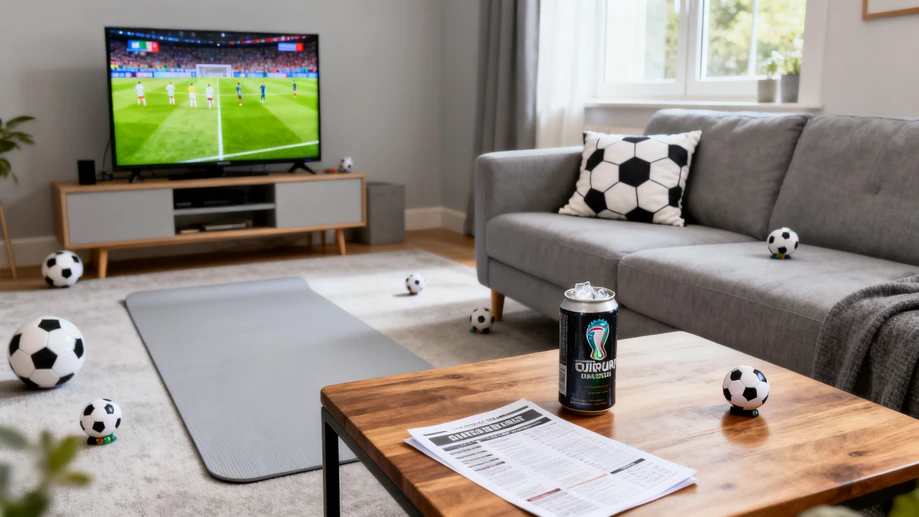
Tens of thousands of casual fans who tested this tiny stretching trick in previous tournament seasons reported that they did not even notice they were building a new healthy habit until weeks after the competition ended, when they realized they no longer had the habit of sitting motionless for three or more hours straight at home. Many fans have also made tiny, low-cost adjustments to their living space to support this little routine, from rolling out a thin yoga mat right in the empty space between their couch and the TV that never needs to be put away, to placing a small printed list of 5 simple stretches on the edge of their coffee table to glance at during breaks. Recent independent community surveys of World Cup viewing habits show that more than 62 percent of fans who tried this in-tournament stretching trick reduced their total weekly uninterrupted sitting time by 18 percent, and reported a 71 percent drop in regular mild lower back soreness that used to bother them after long days of working and watching sports.
At the end of the day, building a sustainable healthy movement habit at home never requires fancy expensive gym memberships, high-end workout gear, or strict self-punishment for missing a planned exercise session. The World Cup, which already brings millions of people shared joy, casual social moments and regular scheduled time to look forward to, turns out to be the perfect low-pressure environment to help everyone make tiny, positive changes to their daily movement patterns. You do not have to push yourself to break personal fitness records or master complicated yoga poses, all you need to do is to make full use of the tiny gaps you already have, and you will walk away from this World Cup season not just with a bunch of unforgettable brilliant match memories, but also with a gentle, easy-to-stick-to daily stretching habit that benefits your body for years to come.