Can You Actually Build a Solid Daily Stretching Routine While Binging Every 2026 World Cup Match?
This zero-pressure movement hack links every second of your World Cup viewing time to tiny, doable fitness actions that build lasting habits without extra effort.
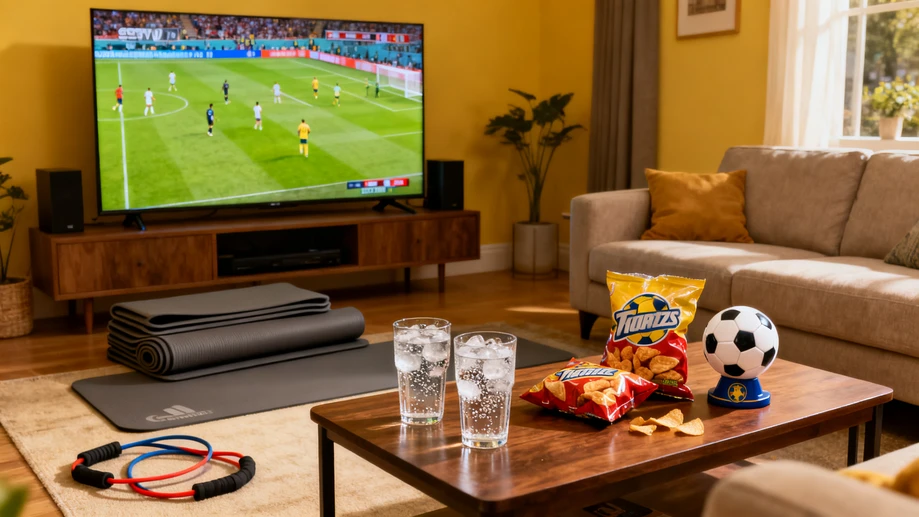
For most casual and diehard soccer fans, the World Cup is the one month of the year where regular daily routines get tossed out the window entirely. You plan your work shifts around kickoff times, stock the pantry with all your favorite salty snacks and cold drinks, and park yourself on the comfiest spot on the couch for three to four hours straight for back-to-back group stage matches. By the third day of viewing, most people notice a familiar dull ache creeping up the back of their calves, their shoulders hunch tight from leaning in to watch close passes, and their lower back stiff from zero movement for hours on end. What almost no one considers, though, is that this pre-existing, extremely predictable viewing schedule you have mapped out for the entire tournament is the perfect built-in framework to build a low-fuss stretching habit that will stick long after the final trophy is lifted.
You do not need fancy gym gear, a dedicated workout outfit, or even a separate 30 minute block of time carved out of your match viewing to pull this off. Every small break in the action on screen acts as a natural timer that tells you exactly when to move for a few seconds. When the referee blows the whistle for a free kick, you can stand up next to your couch, hook one foot behind your hip to stretch your quad for the 30 seconds it takes players to line up the wall, then swap sides right as the kick is taken. When the broadcast cuts to slow motion replays of a near miss or a great save, you can roll your shoulders back and forth 10 times, tilt your head from side to side to release neck tension, or reach both arms up toward the ceiling for a full body stretch that works out the kinks from hunching over your snack bowl.
The secret behind why this method works far better than forcing yourself to stick to a random stretching routine out of nowhere is that it follows one of the most proven rules of habit formation in everyday life. You are not trying to build a new habit from scratch, you are just attaching a small, easy movement action to a trigger you already will not forget to complete. Over the course of the tournament, every time you see a referee pull out a yellow card, you can do 15 quick calf raises, and every time a team gets a corner kick, you can hinge at your hips and fold forward to stretch your hamstrings. After three matches you will not even have to remind yourself to do these moves, your brain will automatically link the sight of those familiar match moments to the small movement, no willpower required at all.
For people who want to take their casual World Cup home fitness routine a little further, the 15 minute halftime break is the perfect window to add slightly more intense movement without missing any of the actual game action. You do not have to do a full high intensity workout, you can walk quickly around your dining table 10 times to get your heart rate up, hold a plank for one minute while you listen to the analysts break down the first half highlights, or do 12 bodyweight squats while you wait for the broadcast to show pre-shot stats for the second half. If you are watching matches in a group with other fans, you can even turn these small movements into a silly low-stakes competition to see who can complete the most moves before the second half kickoff, turning a boring break between play sessions into a fun shared activity that no one gets annoyed about.
By the time the final whistle blows on the World Cup final, you will have accumulated more than 12 full hours of unplanned, low-effort movement across the four weeks of the tournament, without ever feeling like you dragged yourself through a tedious workout. More importantly, you will have already linked the simple joy of watching sports on screen to the tiny rush of endorphins you get after moving your body for a few seconds, so you will not slip right back into a fully sedentary routine the second the tournament ends. Most people who test this little trick find themselves automatically standing up to stretch during other sports matches, documentary marathons, or even streaming show binges months after the World Cup wraps up, slowly building a consistent low-impact movement habit that eases chronic back pain, boosts energy levels, and makes daily household tasks feel far less tiring, all without a single expensive gym membership or grueling planned workout.