
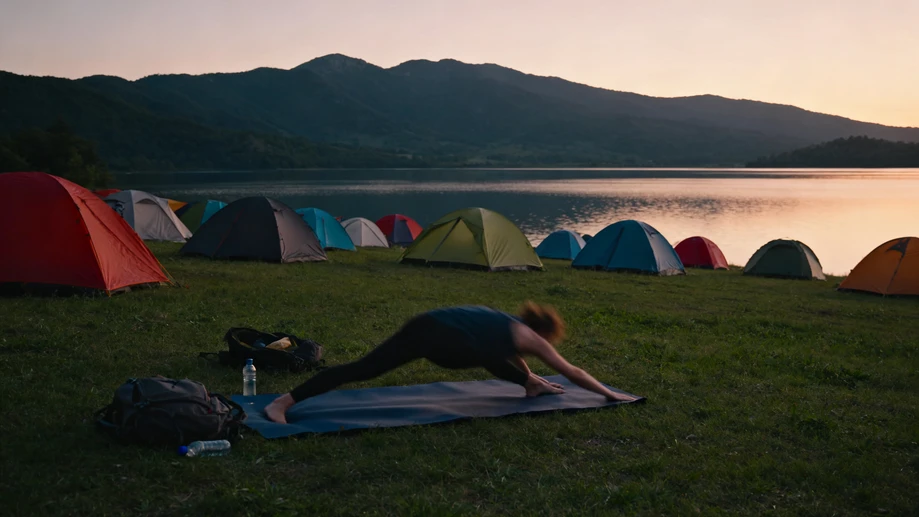
Unlock Camping Joy Through Simple Morning Stretches!
Discover how five minutes of family stretching can turn your wilderness escape into an energizing fitness adventure that sticks for life.
Camping trips often start with excitement—pitching tents, roasting marshmallows, and exploring trails—but they can also lead to stiff muscles and sluggish mornings. After a long hike or a night on uneven ground, many families find themselves groaning as they rise, wishing for a quick fix to banish the aches. That is where the magic of stretching comes in, transforming these moments into opportunities for shared fun. Imagine gathering around the campfire at dawn, everyone limbering up with playful moves that not only soothe sore backs but also kickstart the day with laughter and bonding. This simple habit, rooted in everyday fitness, doesn’t require fancy gear; just a patch of grass and a willingness to embrace movement. By making stretching a part of your camping ritual, you turn what could be a chore into a delightful family tradition, proving that health and happiness often bloom in the great outdoors.
Why does stretching work so well during camping? It all boils down to science and the body’s natural response to nature’s demands. When you sleep on a sleeping pad or trek over rocky paths, muscles tighten from the unfamiliar strain, increasing the risk of injuries like strains or sprains. Stretching combats this by gently elongating fibers, boosting blood flow, and improving flexibility—think of it as a tune-up for your body after rough terrain. Studies show that regular stretching can reduce muscle soreness by up to 30 percent, making it ideal for campers who want to hike farther or play longer without fatigue. But beyond the physical perks, it taps into the mind-body connection; the rhythmic breathing and focus involved create a calming effect, much like a mini-meditation session under the open sky. Share this with your kids: Holding a hamstring stretch while listening to birdsong can turn into a lesson in mindfulness, subtly teaching them how to stay resilient and energized. It is a natural fit for camping, where the tranquility amplifies the benefits, turning each stretch into a step toward holistic well-being.
Getting started is a breeze, even for first-timers, with a few easy exercises that any family can do together. Aim for a quick routine of five simple stretches: the “tent-reach skyward” where you stand tall, arms overhead for 20 seconds; the “campsite twist” where you sit cross-legged and gently rotate your torso; the “fire-log hamstring” stretch from a seated position with one leg extended; the “marshmallow shoulder roll” with small circles to loosen upper muscles; and finally, the “trail-blaze calf” stretch against a tree for balance. These moves take less than five minutes in total and can be adapted to any age or fitness level—no need for mats or gadgets. For added fun, turn it into a game: Challenge each other to hold a pose longer or invent silly names that relate to camping life. The key is consistency; set a timer for morning sessions to build it into your routine. Over time, these stretches become second nature, sparking spontaneous moments of movement, like stretching after setting up camp or before bed. This habit-forming approach ensures that camping trips become not just escapes, but foundations for lifelong fitness habits that extend beyond the tent.
Injecting humor into your stretching routine keeps it engaging and memorable, making it feel like play rather than work. Picture this scenario: During a rainy camping trip, your family huddles under a tarp and decides to “stretch through the storm.” Someone attempts the “tent-reach” and accidentally wobbles into a laughing fit, while another mimics the sounds of forest creatures during poses. These lighthearted moments transform the activity into a bonding experience, where the focus shifts from perfection to connection. Plus, adding quirky elements, like timing stretches to the cooing of owls or using a frisbee as a prop, amplifies the fun. Research backs the joy factor—families who laugh while exercising are more likely to stick with it, turning what could be a dull routine into an anticipated highlight. This playful approach not only eases tension but also reinforces healthy habits; kids often recall these silly sessions later, inspiring them to stretch at home without prompting. It is a proof that in camping, even the simplest activities can become cherished adventures that build resilience and joy.
Making stretching a permanent family habit requires just a few clever tricks that blend seamlessly into camping life. Start by anchoring it to existing routines, like pairing stretches with mealtime prep or campfire chats, to create automatic triggers. Set small, achievable goals—such as stretching three days in a row—and celebrate successes with rewards like extra s’mores, reinforcing positive associations. Encourage everyone to track progress in a shared journal, noting how it improves sleep or hiking stamina; this feedback loop boosts motivation. Over time, these practices become ingrained, extending into daily life where they prevent injuries and promote fitness long after the trip ends. Ultimately, it is about creating joy-filled memories: When your family packs for the next camping expedition, the first thing they might ask is, “When do we stretch?” That is the sign of a habit well-honed, turning the wilderness into a playground of wellness.