Can Watching World Cup Matches Actually Help You Build A Consistent Home Fitness Routine
Exploring the unexpected fun overlap between World Cup viewing marathons and low-effort sustainable fitness habits that do not require you to cut down any exciting match time
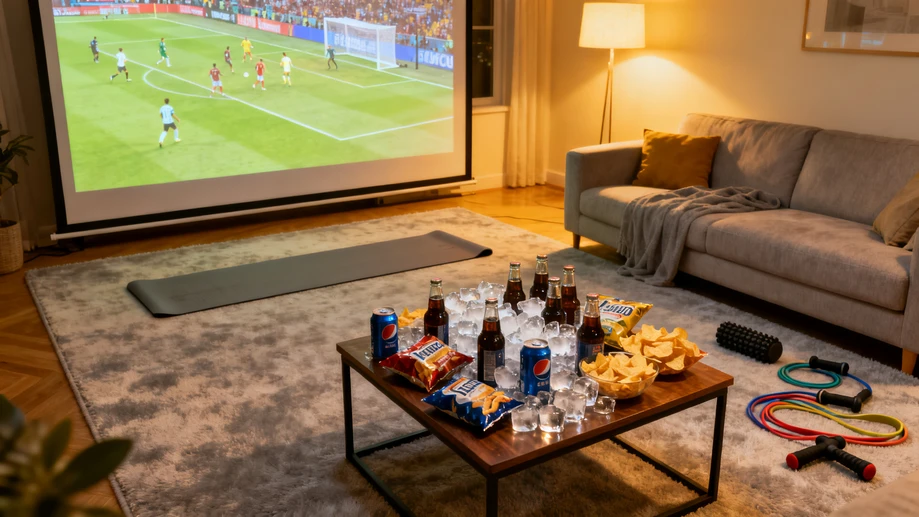
Most football fans have already mapped out their entire viewing schedule for the ongoing World Cup, stocking up on iced drinks, crispy snacks and laying out the softest blanket on the sofa for back-to-back match sessions that often stretch for hours. What most people do not realize is that these long viewing sessions usually end up with stiff shoulders, sore lower backs and a whole lot of guilt for skipping planned exercise plans for three whole weeks, even though every single person is fully aware that sitting still for 4 to 6 hours straight is not the healthiest choice. You do not have to pick between fully enjoying every single wonderful moment of the tournament and keeping your body moving, as there are dozens of tiny, easy to arrange fitness tricks that fit perfectly into the natural pauses and slow replay clips built into every broadcast, so you can stay active without missing a single pass or goal.
Stretching, the most low-threshold activity that requires zero equipment and less than 30 seconds to get started, is the perfect first step to combine with your World Cup viewing routine. Every time the broadcast cuts to slow motion replays of brilliant saves, controversial foul calls or incredible long range goals, you can stand up slowly from the sofa to complete a set of targeted stretches, without even taking your eyes off the screen. When the commentators are breaking down the tactics of a previous set piece or waiting for the video assistant referee to review a decision that takes 2 to 3 minutes, you can finish a full set of hip opening stretches, hamstring pulls or neck rolling movements that release all the tension built up from sitting for long periods, and you will never end up rubbing your stiff neck halfway through a knockout match that you have been waiting for months to watch.
Many people who try to build home fitness habits usually set overly ambitious goals at the very beginning, such as forcing themselves to complete a full 45 minute cardio session every single day, only to burn out and give up completely within three days when they realize how much willpower it takes. Using World Cup viewing sessions as your natural movement reminder completely solves this problem, as you do not need to set a strict exercise time schedule that conflicts with your work and rest arrangements. You can even turn small movements into a fun little game, where every time your favorite team completes a successful attack you do 5 quick calf raises, every time a player gets a yellow card you stretch your upper back for 10 seconds, and every time a goal is scored you jump lightly on the spot twice to celebrate. You will be shocked to calculate that you have moved for more than 40 minutes in total after a full 90 minute match with halftime breaks, without ever feeling like you are forcing yourself to complete a tedious workout task.
Sticking to this small combined routine for even one week will bring you visible physical changes that you can feel immediately. The dull back ache that used to show up after two hours of sitting in the office will no longer appear after you finish a whole evening of watching matches, your shoulder mobility will improve noticeably so you can reach for the snack on the far side of the coffee table without feeling a pull on your upper back, and you will even sleep much better after the light amount of movement, instead of staying up late with a restless body that can not calm down after all the excitement of the match. You will not be stuck in the cycle of feeling guilty for lazing around all day, because every little movement you complete while watching the matches counts as valid activity time that adds to your weekly fitness volume, no matter how small each individual movement seems to be.
The best part of this habit building trick is that it will not disappear along with the final whistle of the World Cup final. Once you get used to moving your body during the natural breaks of the content you love to watch, you can easily extend this habit to all your regular leisure time after the tournament ends, whether you are watching your favorite TV show, following a regular sports game or even listening to your favorite podcast episodes. You never need to buy expensive fitness equipment, sign up for costly gym memberships or rearrange your entire daily schedule to maintain a healthy movement habit, as long as you stop treating fitness as a huge heavy task that you have to force yourself to finish, and see it as a tiny fun part of the leisure activities you already love.