Who Said You Cannot Turn World Cup Watch Parties Into A Full Body Routine
This casual guide walks you through easy, low-effort stretches and micro-workouts you can sneak into every World Cup match break to build lasting movement habits without leaving your living room.
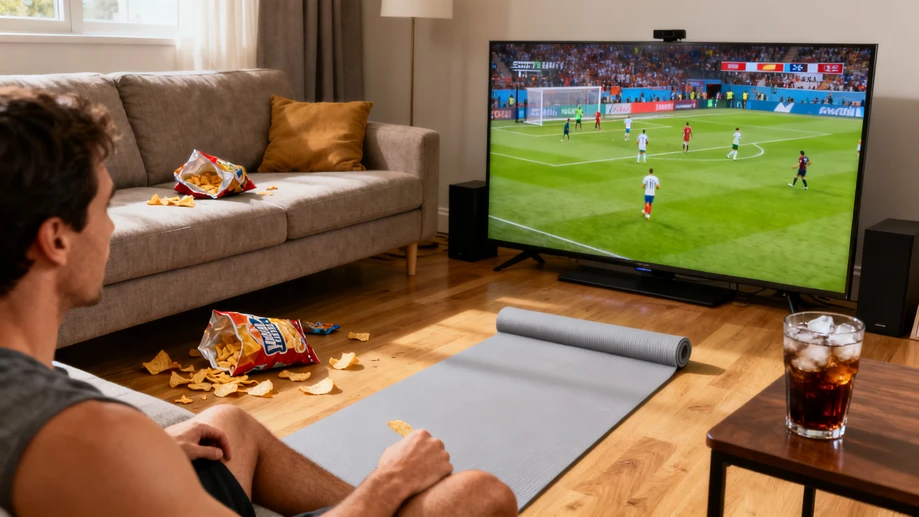
If you have spent more than two consecutive weekends glued to the television for back-to-back World Cup group stage matches, you are far from alone. Millions of fans across the world have settled into a cozy routine of stocking up on crispy snacks, icy cold beverages, and extra fuzzy blankets on the couch, preparing to cheer for their favorite squads for 90 minutes or more at a time. What most people do not realize until the third or fourth match day, though, is that all that uninterrupted sitting can leave you with stiff shoulder knots, tight hip flexors, and a dull ache running down the length of your lower back that makes it hard to even stand up to grab a refill. It is such a common side effect of World Cup viewing that physical therapy clinics all over the world report a 30% jump in patients complaining of sedentary-related soreness every four years, right as the tournament enters its knockout rounds. You do not have to give up a single second of high-stakes match action to avoid this pain, and you also do not need a fancy gym membership or a whole separate hour carved out for a dedicated workout session to keep your body loose and happy through the entire month of play.
All of the movement you need can be slotted naturally into the built-in breaks every match offers, starting with the 15-minute pre-game lead-in where broadcasters run through player lineups and previous match highlights. This window is perfect for slow, gentle full body stretches that require zero special equipment, right in the space around your couch. You can stand beside your coffee table, rest one hand lightly on the edge for balance, and pull one ankle up toward your glutes to stretch the front of your thigh, holding that position for 20 seconds per leg to release the tightness that builds when your knees are bent at a 90-degree angle for too long. You can also do slow seated spinal twists while you wait for the national anthems to finish, turning your torso gently to one side and holding the edge of the couch behind you to release the kinks in your upper back that come from leaning forward to watch every pass closely. None of these movements require you to take your eyes off the screen, and you can even keep one foot propped up on your snack tray while you do them to stay fully in the relaxed watch party vibe.
The 15-minute halftime break is the sweet spot for slightly more active movement that does not leave you exhausted when the second half kicks off. Instead of scrolling through social media on your phone for the whole break, you can use that time to walk back and forth across your living room a dozen times while you listen to the halftime commentary, do 10 slow bodyweight squats beside your sofa to get blood flowing to your calves, and do a set of slow overhead reaches where you stretch both arms as high as you can for 10 seconds at a time to counteract the hunch you build while holding your phone or snack container. The best part of tying these small movements to match milestones is that you can turn them into a fun little reward system that aligns with the excitement of the game. If the team you support scores a goal, you can celebrate by doing five extra side stretches to lean out the tight muscles on your torso, and if you see your favorite goalkeeper pull off a stunning game-saving save, you can do 10 quick heel raises to give your lower legs a little extra attention. These small, random bursts of movement do not feel like a chore, because they are tied to the joy of watching the sport you love, rather than a strict workout plan you have to force yourself to follow.
By the time you reach the knockout stages of the tournament, these small movements will have already turned into an automatic, unthinking habit that you do without even planning it. Most people who try this method report that by the fourth week of the World Cup, they are no longer sitting motionless for the full two and a half hours of a match, and they no longer wake up the next morning with the stiff neck and achy back that used to come with a late-night watch party. Even better, the habit of pausing to move your body every time you hit a natural break in a fun, engaging activity will stick with you long after the final trophy is handed out. You will find yourself automatically standing up to stretch when your favorite television show cuts to a commercial break, or pacing around the room while you wait for your food to finish cooking, instead of scrolling on the couch the whole time. A lot of people end up accidentally shaving off a few extra pounds of the classic “World Cup weight gain” that comes with all the snacking, without ever feeling like they went on a restrictive diet or missed a single minute of match play. This is the secret to building sustainable, long-term movement habits: you do not have to overhaul your entire lifestyle all at once, you just have to tie small, easy movements to the routines you already love and look forward to.
You do not need any fancy gear to make this system work, either. You do not need to change out of your fuzzy pajamas, you do not need to buy a thick professional yoga mat, and you do not even need to set a strict timer to make sure you hit a certain number of reps. You can keep a small microfiber workout towel on the edge of your couch so you can wipe off a little light sweat if you get warm, keep your water bottle a few steps away from your usual sitting spot so you have to stand up to grab a refill every hour, and even keep your snack bowls on the far side of the coffee table so you have to lean forward a little and adjust your posture every time you reach for a handful of chips. All of these tiny, almost unnoticeable adjustments add up to hundreds of extra small movements over the course of the entire World Cup, and they turn what used to be a fully sedentary activity into a low-impact, full body movement session that you can share with all the other fans in your household. By the time the final whistle blows on the last match of the tournament, you will not just have a whole season of great soccer memories to hold onto, you will also have a brand new, low-effort movement habit that keeps your body loose and comfortable long after the confetti has been cleaned off the stadium pitch.